
During the 1760s the Collège de Plessis in Paris once asked its pupils to write an essay about the perfect horse. One boy described a horse that, when whipped, would buck and unseat its rider. For this, he was flogged.
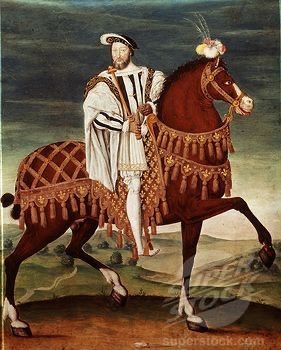
Whether consciously or unconsciously, he had touched on a raw nerve. Horses were there to be controlled by their riders. Particularly when it was a King who was in the saddle, as exemplified by many paintings down the centuries showing kings on horseback. Mastery of the by nature unruly horse represented the king’s mastery over his people. Horsemanship equated with statesmanship.
The boy grew up to be known as the Marquis de Lafayette. The flogging didn’t work. He continued to favour the underdog, those suffering at the hands of their masters. He fought in America on the side of those rebelling against the British in the American Revolution. He became a major political figure on the Republican side during the French Revolution, during which the King was unseated, fatally so.
Without knowing it, as a boy Lafayette had been part of a social change which became known as the cult of Sensibility, influenced by the writings of Jean-Jacques Rousseau: freedom over discipline, liberty over authority, heart over head.
They didn’t know it but the masters at the Collège de Plessis were swimming against the tide. Every dog has its day, they say. Lafayette would have added, even the underdog.
 my chautauqua