Gregor the Graduate

Two scenes, over 50 years apart, one from a novel, the other from a film, have always struck a chord with me.

In 1915 Franz Kafka published “Metamorphosis” which opens with Gregor Samsa waking up to find he has changed into some kind of beetle or cockroach. He still feels like Gregor Samsa but is trapped inside an exoskeleton – a hard outer shell from within which he looks out at the threatening world ruled by his father.

Mike Nichols’ film “The Graduate”, released in 1969, contains a scene in which Benjamin Braddock, played by Dustin Hoffman, is presented at his graduation party wearing the all-encasing diving-suit and goggles his parents have given him as a present. We have already become aware of Benjamin’s anxiety about the teenage pressures of girls, family and future prospects. Nichols takes us inside the wetsuit and we hear Benjamin’s laboured breathing and feel the claustrophobic smothering of the suit as we look out through the goggles at the demanding, threatening world of adults.

I think these scenes are more than metaphors for alienation. I believe they represent felt experience, the explanation for which can be found in psychology.

In 1960 the psychologist R.D. Laing published “The Divided Self” in which he refers to the schizoid anxieties of psychologically insecure people. He identified a condition known as “engulfment” in which the individual feels he is being buried or drowned by the world around him. Such a person commonly dreads turning from a living being to a dead thing, an automaton, a robot. To come to terms with these feelings he seeks isolation, withdraws within a shell, and comes to feel as if his real self is trapped within an alien body, and this self looks out from within a fixed exterior which serves as a shield against a threatening outside world.

Both Gregor and Benjamin are suffering from anxiety and in particular from engulfment. There is a difference in the degree of this anxiety represented by the form of their outer shells. Benjamin’s wetsuit is restricting and uncomfortable – comic even. Gregor’s insect exoskeleton, however, evinces a dreadful fear and disgust. There is a world of difference between the uncomfortable squirming felt by Benjamin Braddock and the anguish and dread felt by Gregor, but they belong to the same condition. Laing tells us that psychosis is a continuum. On a scale of 1 to 10 Benjamin is at 2 and Gregor at 9.

In “The Graduate” Dustin Hoffman’s acting style was a perfect fit. It is the same mechanical, “rabbit-in-the-headlights” style he used later to good effect as the autistic brother in “Rainman”.There is an early shot of him in “The Graduate” gliding on a moving walkway, staring ahead, rigid and robot-like. Hoffman was a proponent of “method” acting, which involves drawing on personal experience to lend authenticity to the emotions being portrayed. What experience was he drawing on when he played Benjamin Braddock?

Engulfment is not just a theory. It exists. I know it exists because I have experienced it myself. There was a time when I felt that the physical thing seen by other people was not me but a false outer shell being operated from within by a hidden real me. It is common for people to put on a false front behind which they can hide their real feelings. This was different, though. Engulfment led me to experience my two selves as a physical reality. I had an exoskeleton. For a time I was Gregor the Graduate.

Dickens live!

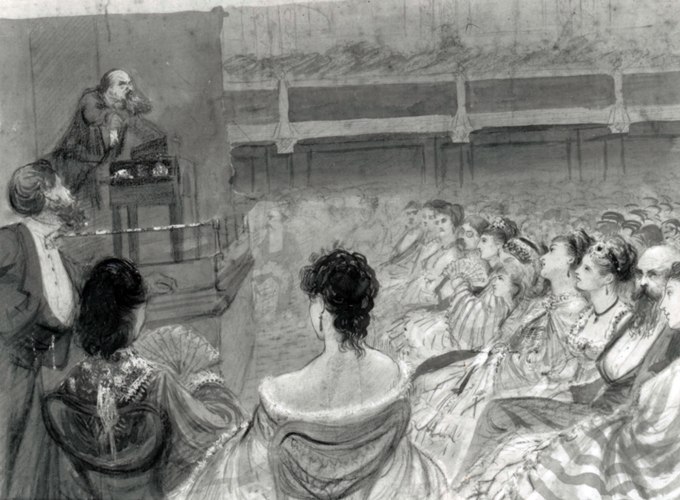
imageThe tour had been long and exhausting. Audiences were huge and everywhere ecstatic. The artist performed his usual greatest hits and was mobbed in the street outside the theatre. Profits were enormous and ticket touts had a field day. The performer found sleep impossible after the usual adrenaline rush and took to using sedatives. Who’s this, you might ask. Frank Sinatra in the 1950s? Mick Jagger in the 60s? Actually, no. This is Charles Dickens on his American Tour in 1857.
Dickens began his reading tours for the same reason rock stars do today. That’s where the money is. Nowadays top performers make more money from touring than making records. Dickens made nearly £20,000 from just one American tour. Estimates vary, depending on the basis of your calculation, but today this would be worth hundreds of thousands of pounds. He created a performance out of selections from his novels – the most popular scenes, such as Sykes’ murder of Nancy in Oliver Twist. If you think of his novels as albums, he did a medley of his most popular tracks. And, speaking again in musical terms, he re-arranged them, editing them to make them tighter and more powerful. Stagecraft was employed, as Dickens, like a singer, enacted the scenes with dramatic gestures. Mood changes were dynamic as he moved from quiet, poignant scenes to highly melodramatic ones. He filled 76 venues across America on that tour and repeated it several times in Britain.

image

(The caption should read “Dickens first reading tour for profit in Britain“)

No one else was in a position to do that, for the same reason large tours today only work financially for the most successful artists. Why? Because the performer needs a huge back catalogue of greatest hits. And Dickens certainly had that. And more importantly, he had always sold to the general public, including the less well-off. He sold his novels relatively cheaply, serialised weekly or monthly. His pop singles, if you like. He had a huge following, a fan base in today’s terms.
Dickens loved performing. He enjoyed the applause and adulation as much as any modern pop star. Some criticised him for demeaning his art. He didn’t quite become the type of prima donna we know today, famous for their backstage “riders”, precise dressing room requirements involving alcohol and entertainment. But Charles Dickens knew his worth and enjoyed life. On the American tour he established what he called his system. In his own words ” At 7 in the morning, in bed, a tumbler of new cream and two tablespoonful of rum. At 12, a sherry cobbler and a biscuit. At 3 (dinner time) a pint of champagne. At 5 minutes to 8, an egg beaten up with a glass of sherry.”
Way to go Charles!

Marcel Proust – Lost in Translation

imageFew people read Marcel Proust. When one of the most popular current means of communication limits utterances to 140 characters it is little wonder that a work containing a 30 page description of the author trying to get to sleep appears unattractive to modern tastes. There is another problem, however. There is a general misconception of the aim of his series of novels. This is due to the unhelpful mistranslation of the title of his work – in French, “À la recherche du temps perdu”. The weakest translation was the first one – “Remembrance of things past”, later updated to the generally accepted, but little better, “In search of lost time”. The problem is that these titles encourage the popular belief that Proust’s work is nostalgic, that it is primarily about the world of memory. This is confirmed in people’s minds by the importance placed by critics on the “Madeleine” scene, in which the taste of a Madeleine cake awakens in the author’s mind a vivid, involuntary childhood memory. In my experience people see this as the point of the book and their response is “So what?” This idea – that we recall the past through the senses of taste and smell – is commonplace. Is Proust famous because he wrote several volumes to show what we all know – that when we get into a new car the smell of the interior reminds us of our first car?
The problem has arisen partly because of the misleading translation of the word “perdu” in the title. The word can indeed be translated as “lost”, but it has the alternative meaning of “wasted”, which is closer to Proust’s intention. He is not simply showing us ways of recovering experiences which have been “lost” to our memory. He is showing us that we experience reality twice, once in life and then again in memory – and here’s the important bit – experience recovered by memory is more vivid and powerful. Why? – and this gets to the point of the importance of translating “perdu” as “wasted” – it is because we do not appreciate our lives fully the first time round. Memory doesn’t just revisit our lives, it salvages wasted experience. Alain de Botton, in his excellent book “How Proust can change your life”, sums up Proust’s intention as “How to love life today”.
In 1922 Proust wrote to a newspaper which had asked its readers what they would do if it was announced that the world was about to end. Proust asked why wait? We should always live our lives as if the world was about to end. He wrote ” I think that life would suddenly seem wonderful to us if we were threatened to die as you say.” Memory, particularly when prompted by the approach of old age, provides the same service. As Botton writes, Proust’s work ” far from a memoir tracing the passage of a more lyrical age, …. was a practical, universally applicable story about how to stop wasting, and begin appreciating one’s life”.

First World War Postcards

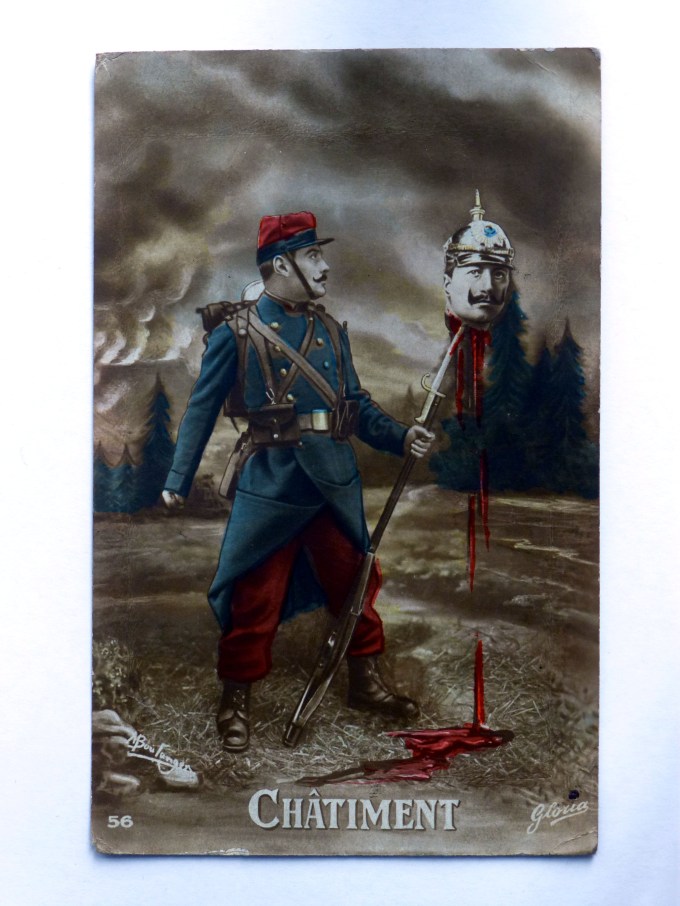
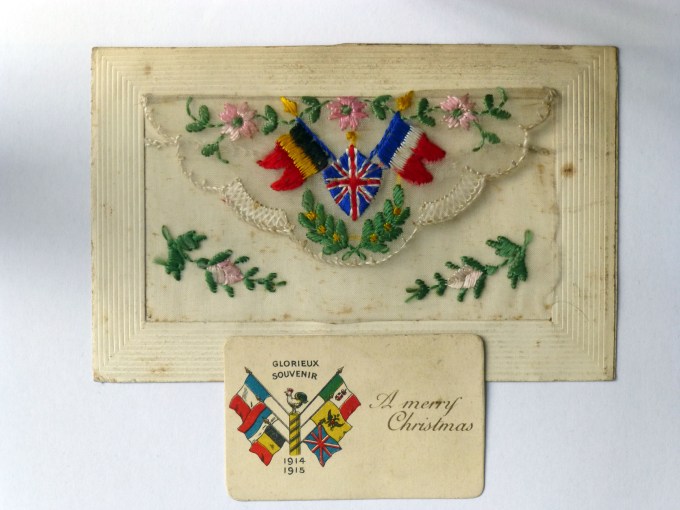
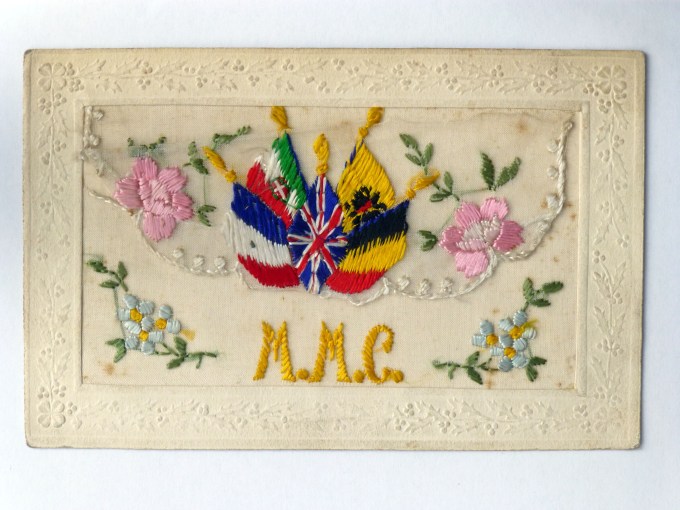
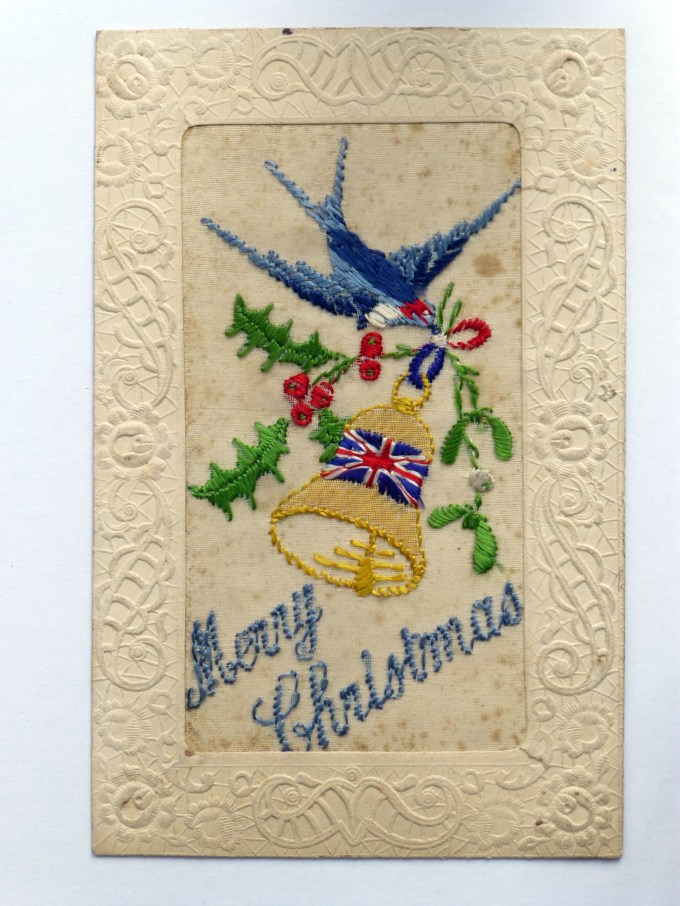
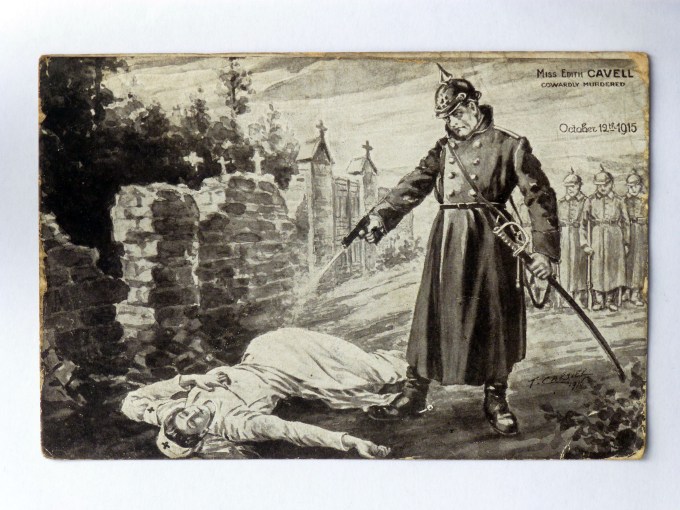
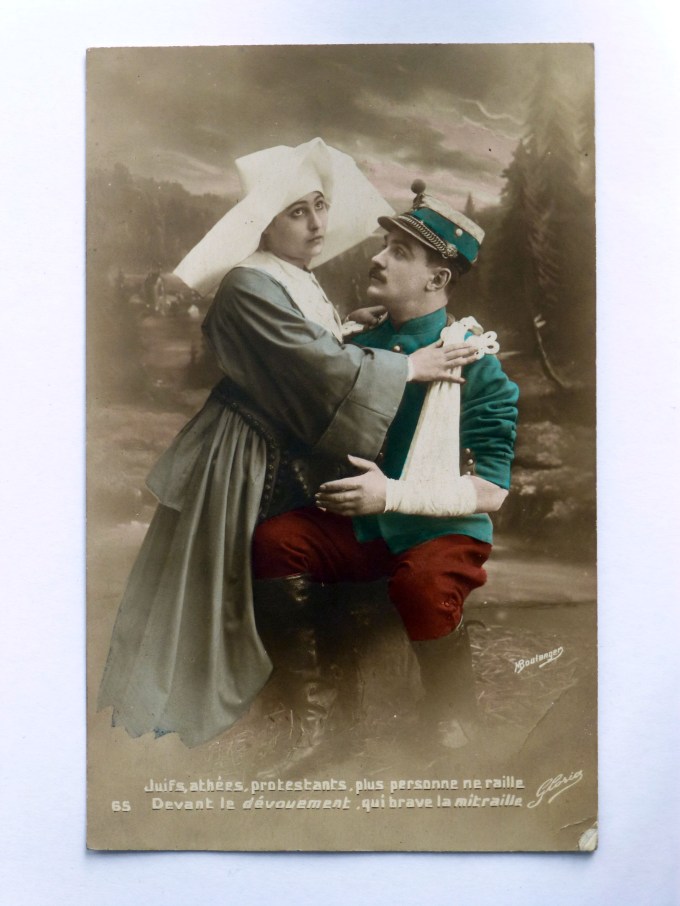
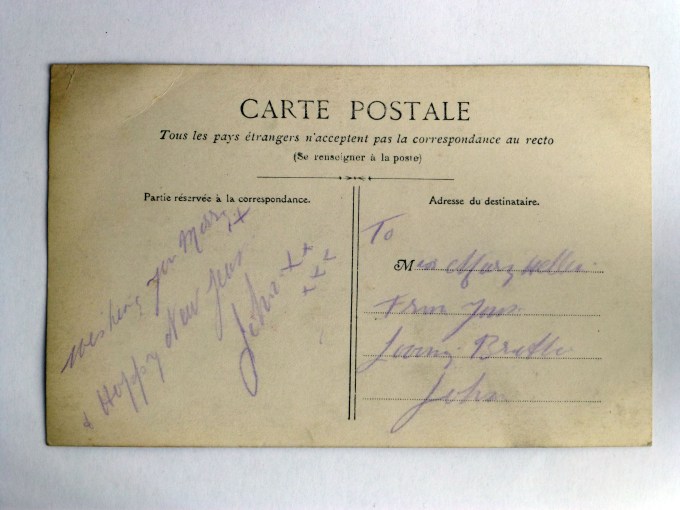
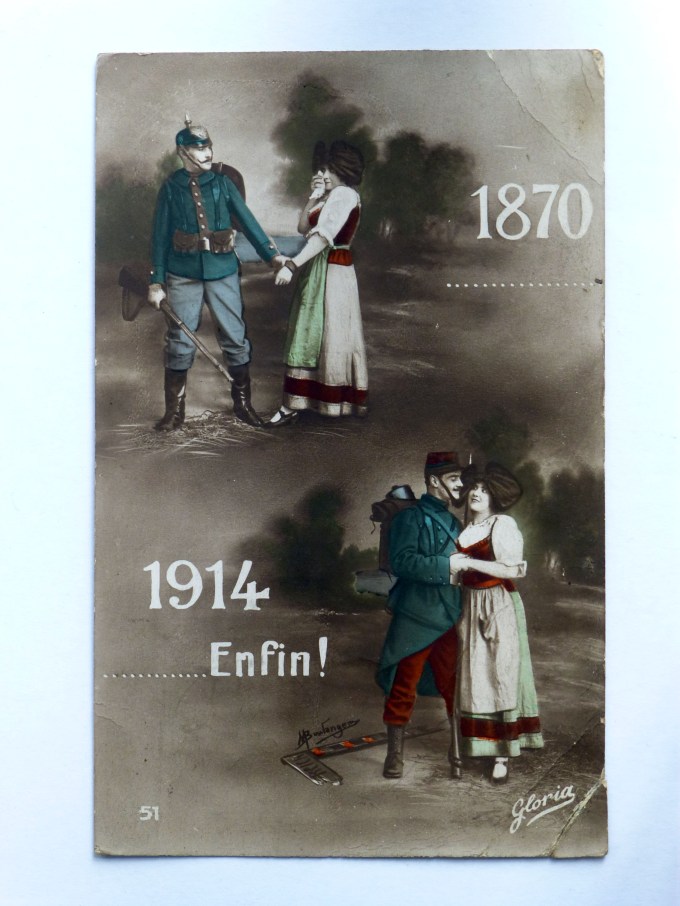
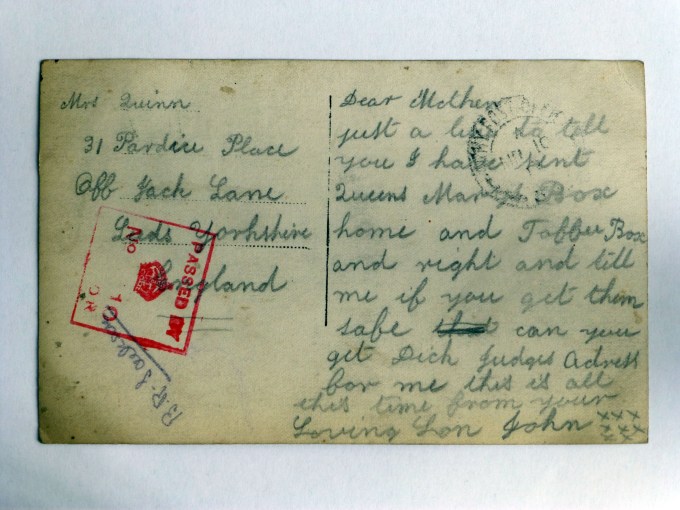
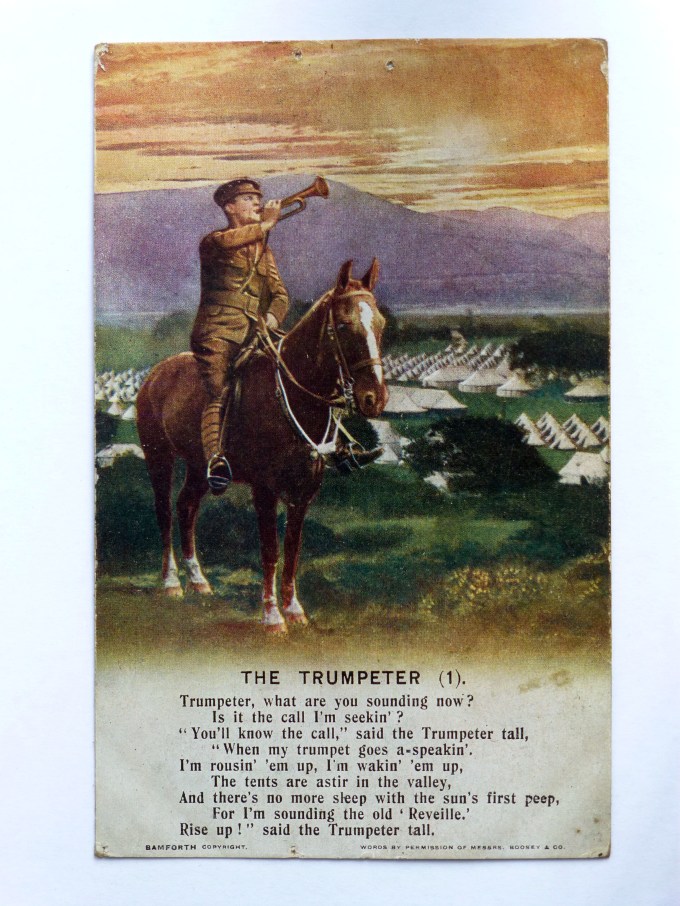
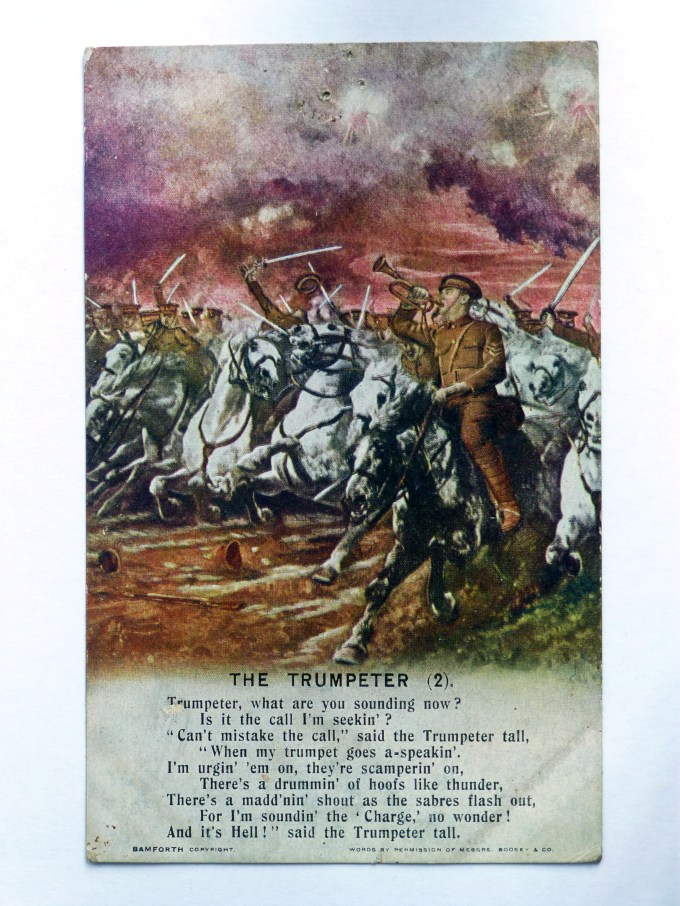
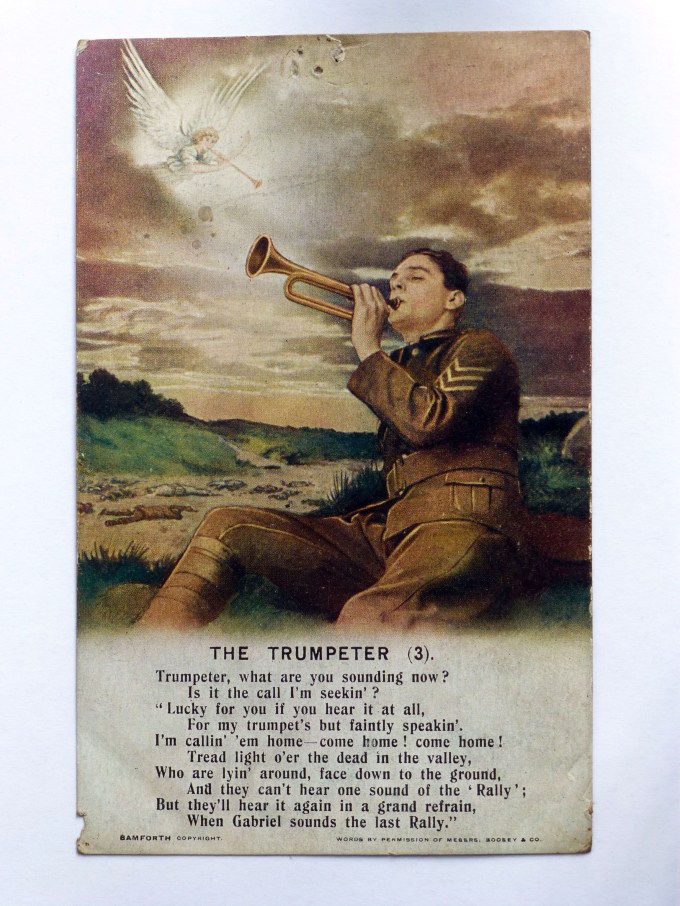
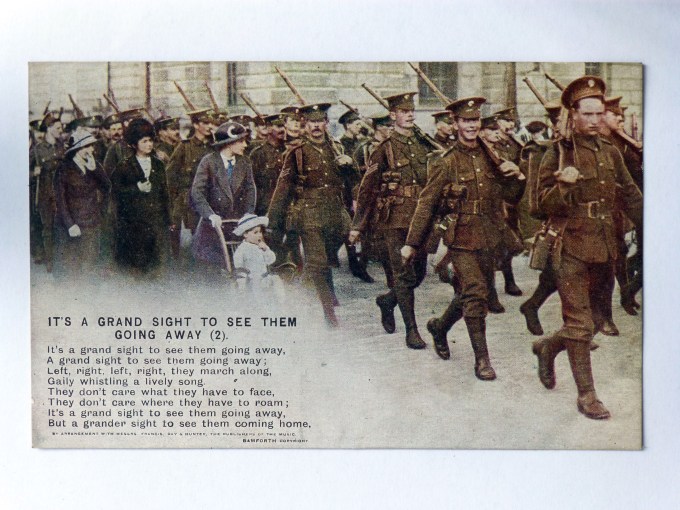
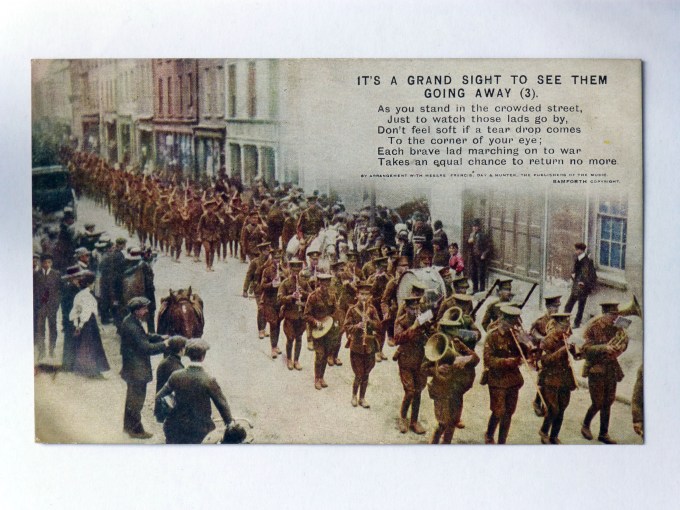
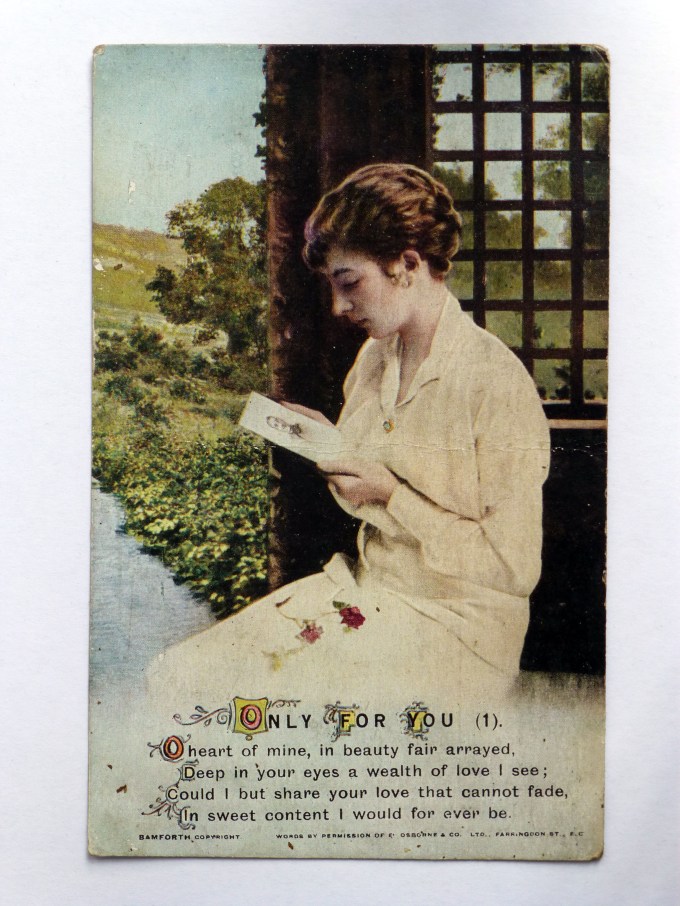
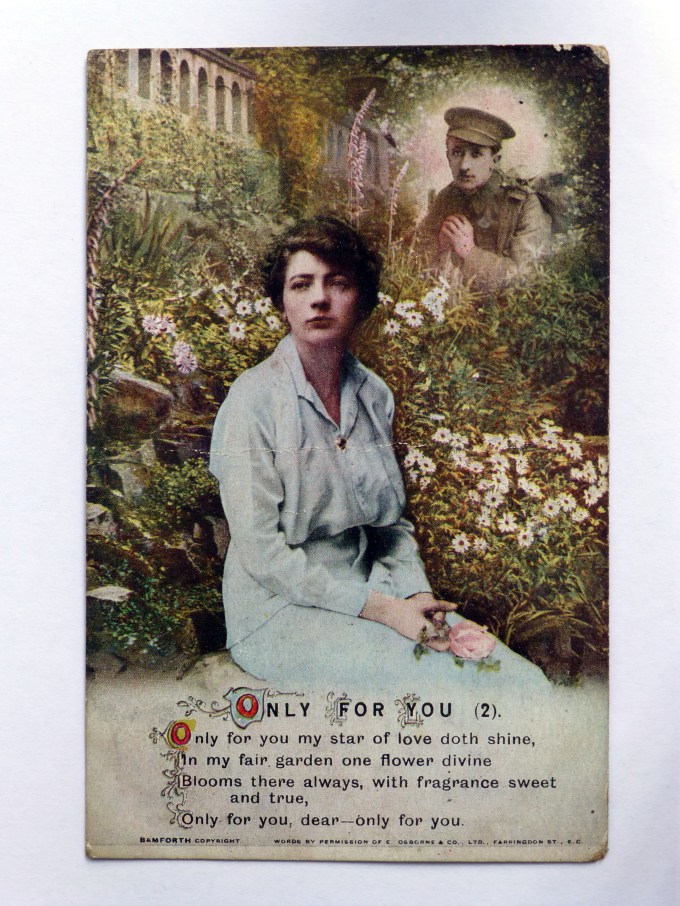
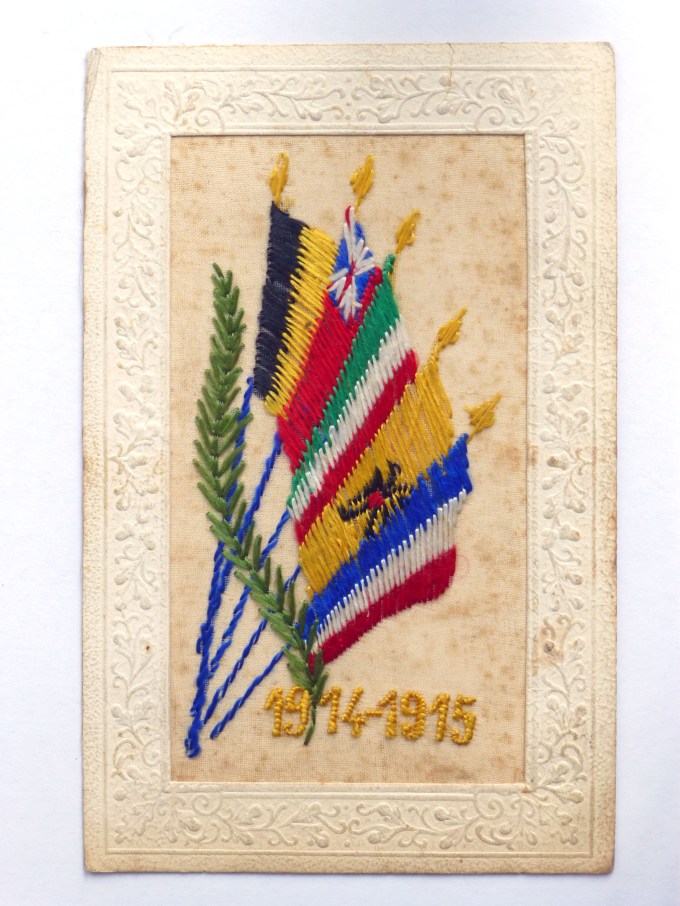
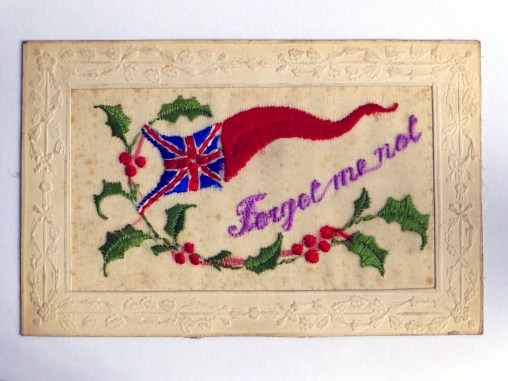
This is a selection of the postcards collected by my grandmother during the first world war.

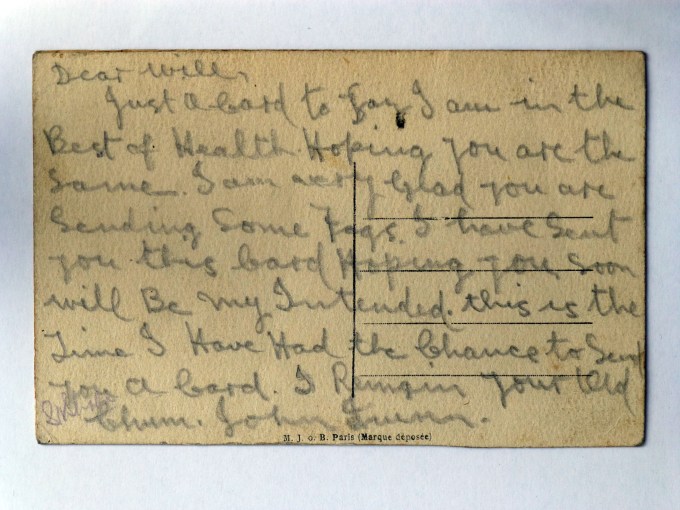
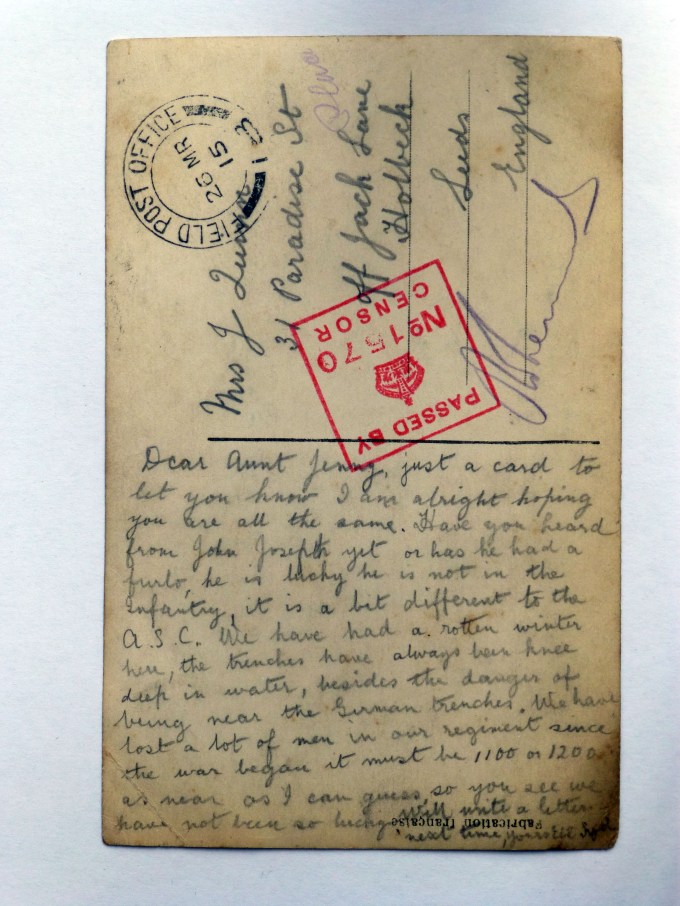
Some were sent by her brother from the front in France. Where possible I have shown the reverse side with the written message. Others are French postcards of the time or cards in series showing verses from songs or poems.

1914-15forgetmenotgrandsightheadbayonetteP1000606XP1000607XP1000608XP1000609XP1000610XP1000611XP1000613XP1000614XP1000615XP1000616XP1000617XP1000618XP1000619XP1000620XP1000621XP1000625XP1000626XP1000627XP1000628XP1000629XP1000630XP1000631XP1000632P1000633XP1000634XP1000635XP1000636XP1000637XP1000638XP1000639X

Forget me not

1914-15About 20 years ago dad gave me a photo album. It was full of postcards collected by his mother  Mary Ellen. These postcards are now just over 100 years old. Some had been sent by her brother from France during the 1st World War. They helped me get a picture of a side of the family I know little about, because dad hardly ever talked about it. But it’s more than that; it’s a social history too.
   Mary Ellen was of Irish decent like many living in Leeds. She was born Mary Ellen Quinn in 1897. She lived most of her adult life on Halton Moor Avenue but in 1914 her home was in Jack Lane in the centre of Leeds. The postcards are from her brother from the trenches in France. Not all of them were sent to her but I find it interesting that she saved them and made a collection from them. It’s not always obvious that ordinary stuff will one day be of interest.P1000632 The cards show what people – soldiers and the general public – thought the war was going to be like – stirring cavalry charges, glory and honour. As we now know it was far from that. The soldiers discovered this to their cost. The general public never did. Because of the propaganda of postcards such as this the truth was hidden from them. So there was a split between those who went to war and those who didn’t. And the split was never healed because the returning soldiers wouldn’t, or couldn’t, talk about it. Why? Well think what it’s like trying to tell others that your pain is worse than theirs. They tend not to believe you, or they suspect you of being a martyr. So you keep quiet.
   What I want to say is that this had an effect on my family. One of the soldiers in the war was Clifford Wells. He was invalided out of the war after being gassed. When he returned he met Mary Ellen. They married and my dad Dennis was born in 1923. My dad never got on with his father and so never talked about him to me. In fact I only found out his first name about 5 years ago. Clifford had a bad reputation. Dad called him a waster and said “he thought the world owed him a living”. I have no way of knowing how badly treated my dad was, but I think he was telling the truth. Dad had a tough life. It wasn’t easy living through the 1920s and 30s. All I am saying, in part defence of Clifford, is that both he and my dad were casualties of war. They embody the split between those who were there and those who weren’t. Dad couldn’t understand where Clifford was coming from. I’m pleading mitigating circumstances. The irony is my dad did his bit in the Second World War,
met mam when he was demobbed, married and I was born in 1948. History repeating itself. And in more ways than one. I didn’t get on well with dad. We didn’t talk enough. That’s why the Mary Ellen and Clifford story means so much to me.
  My birthday falls on the 1st July. This year that date marks the 100th anniversary of the first day of the battle of the Somme, the most disastrous day in British military history. British forces were told to march slowly in tight formation towards hundreds of German machine guns. They did. There were 60,000 casualties; a third of those died. I don’t know if Clifford was there but it is likely he was. If so, we his descendants are very lucky. Because of the 1st of July 1916, 20,000 future British families never came into existence. The only charity event I regularly support is Poppy Day.
   Mary Ellen died in 1957 aged 60 and is buried in Harehills Cemetery in Leeds. All I can tell you about Clifford’s later years is that he was still alive when I was born
forgetmenot

Muhammad Ali

ali

It seems trite to say that Muhammad Ali was the greatest boxer that ever lived. He was that, of course, but he transcended sport. He became a cultural phenomenon because of his impressive personality. He ran rings around journalists and commentators with his quick-witted humour.There are so many good stories about him and his fights, mostly made up I admit. This is perhaps my favourite.


In 1975 he fought Chuck Wepner. As he left his hotel room before the fight Wepner told his wife tonight she would be sleeping with the world champion. Wepner dropped Ali at the end of the ninth and in his corner told his trainer to ” start the car, were going to the bank, we’re millionaires” The trainer looked across the ring and said ” hang on, he’s getting up and he looks pissed off”. Ali won all the remaining rounds, cut him over both eyes, broke his nose and knocked him out in the 15th. When Wepner went back to his hotel his wife took one look at him and said ” so, is he coming over here or am I going to his place?”


It doesn’t matter if a good story is true or not. It’s still a good story.

Travelling Light

I have always thought that there was something wrong with me. Is it right that a person should get more pleasure from planning a holiday than going on it? Why have I got a clip- board containing the detailed plans of at least ten trips abroad that were never embarked on – mileage lists, fuel costings, hotel and campsite bookings (thank goodness for the “free cancellation” option), web searches on restaurants, places of interest. Google street is a godsend for someone like me. I have done so many virtual tours of St Remy in Provence that I feel there is little point in going there since I know it so well. Is it a sickness? And if so, is there a cure? But the more I read the more support I find for this admittedly minority point of view.
Here then, in my defence, are three quotations which give me comfort:-
“People say that life is the thing, but I prefer reading” (Logan Pearsall Smith)
“Do not participate: happiness lies in the imagination not the act. Pleasure is found first in anticipation, later in memory” (Gustave Flaubert)
“How can one prefer the disasters of your frustrated desires to the sublime faculty of summoning the universe to appear before the mind’s eye” (Honoré de Balzac)
Travelling light? You can’t travel any lighter than I do.

Albert Johanneson

AJohanneson1

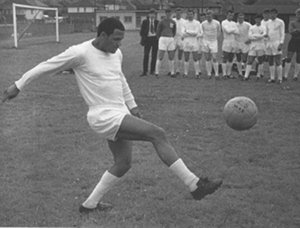
If you wanted to make a film showing the difference between football today and  football 40 or 50 years ago you could do worse than tell the story of Albert Johanneson. Albert was my first Leeds United hero. He was a fast and skilful winger who helped Leeds get out of the second division in 1963/4. He then became the first black player to play in an F.A. Cup final in 1965 when Leeds lost to Liverpool. He was the nearest thing we had to a Brazilian. We even used to look forward to watching him in the warm-up before the match, because he would entertain the crowd with show-boating, ball-juggling and tricks rarely seen in those days.

   His career didn’t last long and highlights all that was nasty about the unreconstructed game then. When Leeds went up into the First Division Albert wasn’t strong enough mentally, emotionally or physically to stand up to the cynical tactics used against him. There were no systems in place to protect him from the racial abuse or physical intimidation dished out by defenders in those days ( an area in which Leeds themselves were recognised masters, it must be said of course ). And when he left Leeds and went down the divisions eventually quitting the game, there was no safety net, no large nest-egg in the bank to break his fall. Within a few years Albert was destitute. He lived as a vagrant and turned to alcohol. He died alone in a town centre flat about 20 years ago. Tell that to the Man City players recently sulking because they were only on £200,000 a week.

Skaz and the Streetsuss Serenade

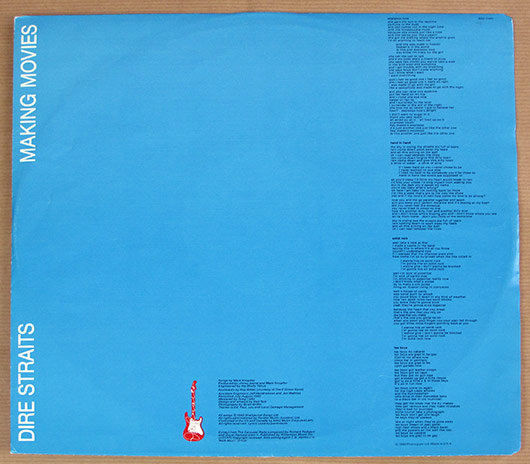
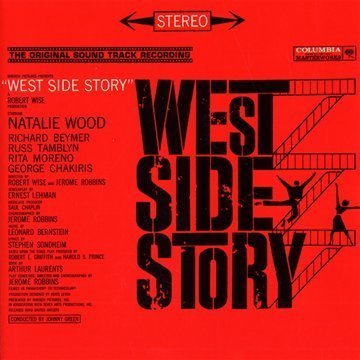
Vinyl records collectors     westsidestory

“A lovestruck Romeo sings a streetsuss serenade

Laying everybody low with a love song that he made”   Mark Knopfler/Dire Straits Romeo and Juliet (Making Movies)

1963. I’m doing the Twist in the youth club. The music is coming from a record-player perched on a wooden chair placed on the stage of the school hall. The music stops mid-song and I look over towards the stage and see a lad brandishing an L.P. sleeve. He’s shouting “This is it!” He puts the first track on and I hear a count-in –

” 1, 2, 3, 4. Well she was just 17, You know what I mean”

The Beatles. First time we’d heard them. Pure energy. We stopped Twistin’ – and started jumpin’.

This was my Awopbopaloobop Alopbamboom moment, as Nik Cohn might put it. He wrote a book with that title – quoting Little Richard’s Tutti Frutti – arguing that meaningless lyrics are all pop music needs, that Awopbopaloobop is worth more than any of Bob Dylan’s lyrics.

I understand the point he is making but I think he’s missing something. Pop music has two modes – a public one and a private one.In a crowd, at a concert, lyrics don’t always matter. I started going to football matches in 1963. I went with a dozen or so friends from school. This was in the days when you stood on the terraces, and to get a good spot on the halfway line we used to arrive one and a half hours before kick-off. We spent the 90 minutes singing along with the music coming over the P.A. The louder the better. Words of no importance.

On my own, however, reading the lyrics was part of the enjoyment. That was what an L.P. sleeve was for. I read books in an armchair in front of the fire, comics in the street walking home from the newsagents, and music lyrics on the bus back from town where I had just bought the L.P. So you began to put singers/groups into one of two mental boxes. Beatles/Stones – box labelled “lyrics not important”. Dylan/Paul Simon – box labelled “lyrics worth reading”

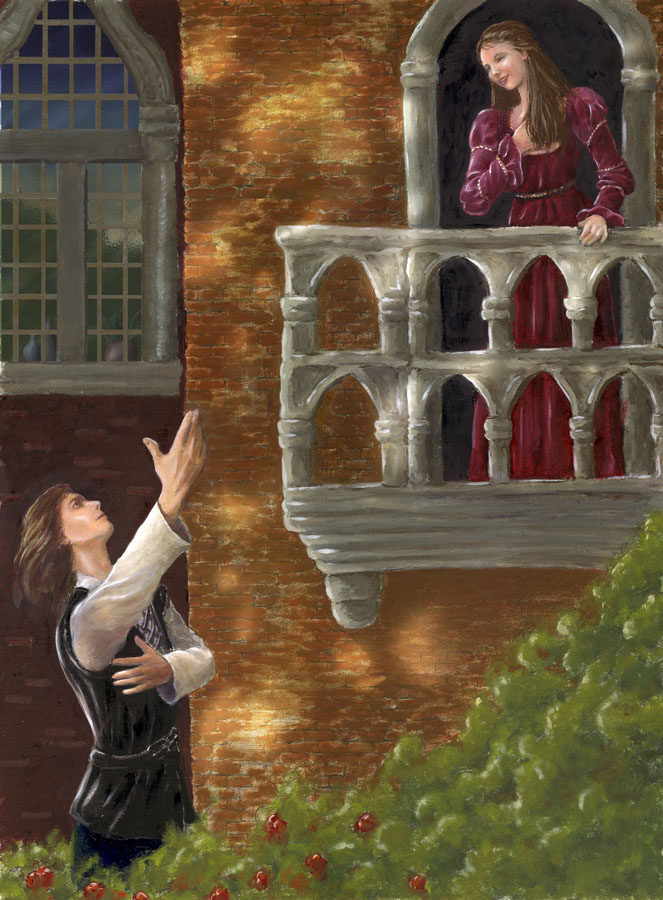
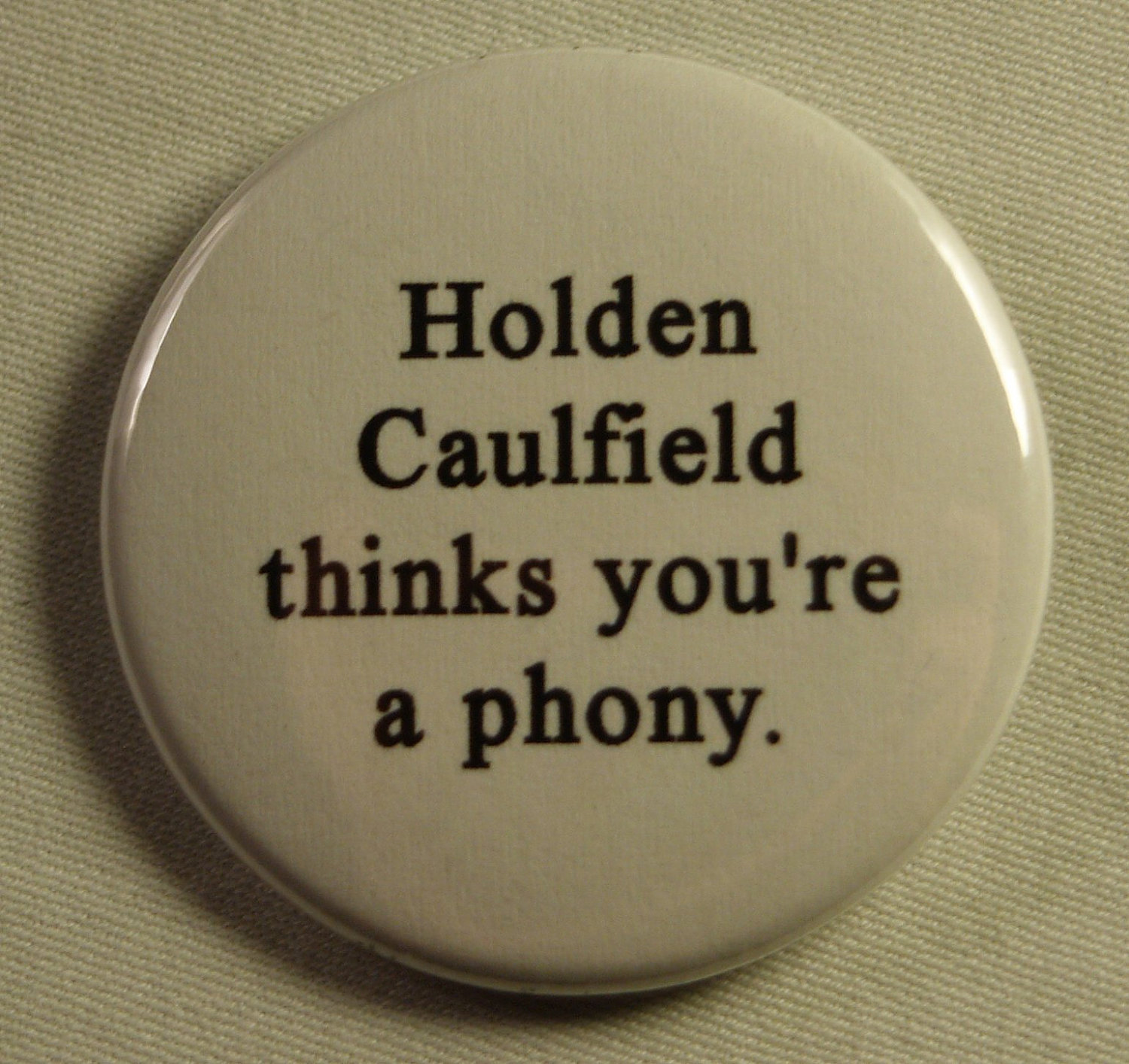
And this is where Mark Knopfler comes in. Category 2 – lyrics of interest. Take “Romeo and Juliet” from the L.P. “Making Movies”. Exhibit A in the case for the defence of the worth of pop lyrics. The scene it describes is both touching and funny. Romeo is a “lovestruck” teenager getting short shrift from his Juliet, a girlfriend with attitude. Both express themselves in hip, teenage slang. Romeo’s icebreaker eschews subtle fore-play – “You and me babe, how about it?” No swooning from Juliet – “You nearly gimme a heart attack ….  anyway, what you gonna do about it?” Romeo pulls out the big guns with a bit of youthful, clichéd exaggeration “You exploded into my heart”, takes in the blank stare and fights back with “how can you look at me as if I was just one of your deals?“. There is a name for this style of writing. It has literary pedigree. It is called Skaz and it has its roots in Russian literature. It is recognisable to us, however, because it has flourished most successfully in American novels. Think “Huckleberry Finn”. Or even better, think “Catcher in the Rye”. Holden Caulfield is our Romeo with a large chip on his shoulder. Salinger’s novel is written in Skaz. Moreover, it would be nothing without it. Holden’s way of speaking holds our attention throughout. The story certainly doesn’t – nothing really happens. It is a wonderful “tour de force”, wholly dependent on the successful use of teenage Skaz. Holden’s frustration, like Romeo’s, is expressed in colloquial language – “jerk”, “big deal”, and most famously “phoney”. Exaggerations such as “that killed me” abound. You feel for Holden and Romeo because of their sad but funny inarticulate speech. “I can’t do the talk like they do on the T.V.” says Romeo, but, like Holden, he comes across as genuine. In effect, their language is a kind of guarantee of their genuineness. We feel they are speaking from the heart. It’s rough, not crafted or polished for effect. As Holden would say, their language is not that of the “phoney” world of adults. Knopfler reinforces this effect through his pastiche of the original “Romeo and Juliet”. The teenage Romeo may not speak like Shakespeare but his love is genuine. And he might add that if he spoke poetry it would be false emotion. Knopfler’s lyrics are also witty, in that he makes allusions to that other hip version of Romeo and Juliet, West Side Story. Knopfler’s two protagonists, like the Jets and the Sharks, have “Come up on different streets”. Romeo refers to his street gang in “All I do is keep the beat and bad company”. And it is easy to miss the reference to a famous line in the song “Somewhere” in “There’s a place for us you know the movie song”. Best of all,  Knopfler manages to bring the two elements of his song – Skaz language and Shakespearean pastiche – together in one funny pun. Juliet remarks casually “oh Romeo, yeah you know I used to have a scene with him”.

I rest my case. I like “Ballroom Blitz” as much as anyone when I’ve lost it in a crowd. But, on the top deck of a bus, with half an hour to kill, give me the L.P. sleeve of “Making Movies”.

2romeo__juliet_balconycatcher-holden-phony

Two Souls

Zwei Seelen wohnen, ach! in meiner Brust   (Two souls live within me)

Die eine will sich von der andern trennen  ( Each trying to pull away from the other)      Johann Wolfgang von Goethe Faust (1808)


Will the real Gustave Flaubert please stand up.

Flaubert 1

“Me and my books, in the same apartment; like a gherkin in its vinegar”

“I have always tried to live in an ivory tower”

“I am a bear and I want to stay a bear in my den, in my lair, in my skin, in my old bear’s skin”

When asked why he had been cruel to a woman at a party, Flaubert said “because she might want to come into my study”

Flaubert 2

a)  Flaubert and his friend Maxime du Camp spent the summer of 1847 on a tour of northern France. Having travelled to Blois by train they spent the next 13 weeks – mostly on foot – following the river Loire to the sea, then taking the coastal route round the whole of Brittany – a distance difficult to calculate precisely but definitely somewhere between 500 and 1000 miles.I repeat – mostly on foot. Sometimes sleeping rough, navigating difficult terrain, visiting towns, inns, ruined castles, a fair, a slaughterhouse, an island, Chateaubriand’s tomb.

b)  In 1849 Flaubert and du Camp began another journey, a journey which made the previous one seem like a walk in the park. They were away for two years. First they travelled by coach, rail and boat to the South of France. From Marseilles they sailed to Alexandria via Malta. In Egypt they went to Cairo. They left Cairo on horseback, rode for 4 hours across the desert to the Sphynx. They camped at the base of the Pyramids. At 5 o’clock the next morning they climbed to the top of the Great Pyramid to view the sunrise. The following month Flaubert and du Camp began a 17-week journey along the river Nile, taking in the ruins of Thebes, then on to Luxor and Aswan.One night they camped by the tomb of Ozymandias in the Valley of the Kings. At the southernmost point of this expedition, Flaubert bathed in the Red Sea. Beirut followed, then Jerusalem. They journeyed to Damascus along the valley of the Jordan. On and on they went – Tripoli, the island of Rhodes, Ephesus, Smyrna and Constantinople. One day Flaubert rode 15 leagues across the great plains on the Asian side of the Bosphorus. Next came Athens and the Acropolis, then Thermopylae and Sparta. They crossed swollen rivers on horseback to reach Missolonghi, the place of Byron’s death. Up through Italy they went – Herculaneum (he climbed Vesuvius), Naples and Rome. The final leg took in Florence, Venice, Milan, Cologne and Brussels.

Which is the real Flaubert – Flaubert 1 or Flaubert 2? Obviously, both. We all recognise the ambivalence in human nature. Two souls, in the words of Goethe. But what is astounding is the extreme polarisation of Flaubert’s two sides.After the two-year Egyptian trip Flaubert 1 took over. He spent around 3 months at home, day after day, week after week,in his study. No half measures. It seems that he was either in hermit mode or in adventure mode. The two modes were linked though. One fed the other.Both at home and away, whether contemplating what he saw or writing his thoughts, Flaubert was exercising his impressive imagination and creative powers. In adventure mode he assimilated and processed his experience; in hermit mode he channelled the result into his writing.

Precisely what happened was that Flaubert conceived the novel Madame Bovary in Brittany, developed it in his head in Egypt and wrote it in his study when he returned.In Brittany Flaubert took mental and actual notes regarding provincial France. He met prototypes for M Homais and Charles Bovary. His experience of a local fair on the journey became one of the most famous scenes in the novel. Flaubert saw these people and events with amusement and contempt. In his study he transformed this attitude to life into a new, ironic style.Egypt confirmed his nostalgia for a lost Romantic world which only heightened his jaundiced view of contemporary France. Maxime du Camp recounts witnessing the moment in Egypt when Flaubert hit upon his heroine’s name. “Eureka, I have it. I’ll call her Emma Bovary!” This may well be apocryphal but at the very least it is evidence of the way the novel was created on the road in Flaubert’s head.

It has been said that “the unexamined life is not worth living”. Flaubert examined everything. He processed all of his experience. He fed it into his imagination which then informed his writing. In a sense then, the two modes were not distinct entities; they were part of the same process. Without either of them Flaubert would not have been the writer he was. Without the Romantically-inspired, carefree, reckless experiences stored by Flaubert the adventurer, the sober, disciplined, hermit-like, industrious Flaubert would have been short of material.