The Final Solution

In 1978 Bob Dylan played a concert at the Zeppelinfeld in Nürembergfeld in Germany, the stadium where Adolf Hitler held his rallies. Dylan insisted that the stage was placed at the other end, so that when he performed the audience had its back to where Hitler spoke as they watched and appreciated the much loved, little Jewish guy playing Masters of War.

Why Mr Jones does not know what is happening

You walk into the room, with your pencil in your hand,

You see somebody naked and you say “Who is that man?”

You try so hard but you don’t understand

Just what you will say when you get home

Because something is happening but you don’t know what it is,

Do you, Mr Jones?

( Ballad of a Thin Man Bob Dylan )

In philosophy there is a method of thinking with the daunting name of phenomenology. It is a method based on the belief that the best way to approach thinking about something is at first to simply describe it accurately without reference to extraneous matters such as received ideas and beliefs. These matters are called the “epoché”, the irrelevant concerns that should be set aside while you focus on the object at hand.

Importantly, this affects how you should view, think about – and talk about – art. Looking at, and talking about, a work of art in the light of your knowledge of art history, for example, leads you to think in terms of categories and to make false assertions about artists’ intentions. Good teachers, when asking students to write about works of art, remind them constantly to go back to the work itself, to describe what they see rather than make judgements from what they know about the artist.

Even more importantly, artists themselves think phenomenologically. The art critic Ernst Gombrich states that art creation is a balance between knowledge of previous ways of depicting reality and the wish to create new ones which are a better match with the way they see nature. So a good artist is a phenomenologist in two ways – he focusses precisely on what he can see and tries to avoid relying on “schemata”, received ideas of how to represent this. This is why Constable said that when he painted he tried to forget he had ever seen a picture. It is what Monet was getting at when he stated that he wished he had been born blind. In phenomenological terms great artists refuse to attend to the “epoché”; they put aside those things outside the object being observed – formulae, received ideas, schemata.

Which brings me to Bob Dylan. When have you ever seen a conversation between a journalist or critic and an artist where the artist does not appear uncomfortable and on the defensive? The reason is that in such interviews there is a phenomenological divide between the questioner and the artist. The journalist/critic is often asking questions about the very things the artist has tried to reject when making his/her art. The questions are referring to the epoché and not the art itself.

When in this situation, rather than be discomforted Dylan chose to give journalists a hard time. Most journalists he faced were of an older generation out of touch with contemporary popular music. They could hardly attend to the phenomenology of a music they had never listened to. So they fell back on the received ideas they had gathered about Dylan”s music – its place in the “protest movement”, its influence on young people, Dylan”s supposed role as leader of the younger generation. We can see examples of the kind of questions he was asked in Martin Scorsese”s film No Direction Home. “How do you label yourself?” “What’s your role?” “Do your songs have a subtle message?” “Do you consider yourself the ultimate beatnik?” “What message were you trying to impart by wearing a Triumph motorcycle T-shirt on the cover of Highway 61 Revisited?” It is not just the fact that these questions are obviously plain stupid. They represent the wider problem of how non-artists approach artists. Even serious Fine Art critics often miss the phenomenological point. How often do we hear “What are you trying to say?” “What does this mean/symbolise?” “What point are you making?” “Would you call yourself a (apply label here)?”

Famously, Dylan wrote a song about what I call the phenomenological divide; about the journalist who puts his eyes in his pocket, the journalist who only knows of the epoché. In “The Ballad of a Thin Man” Dylan tells the journalist “You don’t know what is happening here, do you Mr Jones?” It has long been known that the song is about journalists and their stupid questions. Phenomenology explains why their questions are stupid.

Mi sofá es su sofá

I have a bone to pick with L P Hartley. Famously, the opening line of his novel The Go-Between reads “The past is a foreign country; they do things differently there”. He is emphasising what separates us from abroad and us from the past.

Consider these, however.

When Jean-Jacques Rousseau wrote Confessions in the late 18th century he introduced the public to a new kind of subject; himself, his thoughts, his feelings. Hundreds of readers, reclining on their chaises longues, showered him with fan mail.

Marcel Proust, the famous novelist and hypochondriac, loved music but hated going out. He resorted to inviting a string quartet to his house to play for him while he reclined on his green couch.

Gustave Flaubert was torn between his desire to travel and the comforting cocoon of his home. His friend Maxime du Camp complained that his friend would have liked to travel stretched out on a sofa, watching landscapes pass before him like the screen of a panorama mechanically unwinding.

What fun they would have had with modern technology. Flaubert with Google Street, Proust with Spotify, Rousseau’s public with Facebook. Surely they weren’t that different from us, were they?

The phrase “ mi casa es su casa” refers to a generosity of spirit that wants to share with other people. Sorry L P Hartley but I like the idea that people of the past shared similar needs and feelings with us today. As I recline at home with my smartphone I imagine myself reaching out with the words “ mi sofá es su sofá “.


Selling the Stones

Hype and popular music go hand in hand. The Rolling Stones would probably have made the big time without their manager Andrew Loog Oldham, but his creative use of media manipulation certainly helped. Having previously worked for Brian Epstein and the Beatles he had seen how money could be made by moulding and promoting a band. He didn’t hang about. The moulding stage came first. He sacked their piano player Ian Stewart because his looks did not match the image about to be created. He changed the musical direction of the band by encouraging Mick Jagger and Keith Richards to write pop/rock songs to replace the blues covers they were used to performing, at a stroke pushing the Blues purist Brian Jones down the pecking order. Promotion came next. Oldham successfully hyped up the Stones’ “bad boy” image and generated widely quoted headlines such as “Would you let your daughter go with a Rolling Stone?” The press lapped it up. His provocative cover notes on their second album encouraged fans to mug a blind beggar for funds to buy the album. Outrage. The  Stones never looked back. Andrew Loog Oldham was 19 years old.

Pierre-François Palloy was an 18th century chancer, always on the lookout for the next big deal. In July 1789, in Paris, there was no bigger deal than the recently ransacked prison the Bastille. So Palloy acquired it, or at least the rights to demolish it and dispose of the debris. He had a grander plan than that, however. He would sell the stones of the Bastille, but more importantly he would sell an idea of the Bastille, an idea that lasts to this day. It was people like Palloy who turned the Bastille into a national symbol of liberated humanity. Others did it for political gain; Palloy did it to increase the value of his stones. Loog Oldham would have been proud. He did the same.

Palloy promoted the cult of the Bastille as a political tourist attraction with guided tours, historical lectures and accounts which hugely exaggerated the horrors of its dungeons, the numbers of its persecuted prisoners and the suffering they had endured. The truth was somewhat different. No 18th century jail was pleasurable, of course, but the Bastille was by no means the worst. Its most famous inmate was the Marquis de Sade. He had a desk, a wardrobe for his dressing gowns and silk breeches, four family portraits, tapestries on his walls, velvet cushions and pillows, mattresses, eau-de-cologne fragrances, and night lamps to help him get through his personal library of 133 books. He moved out a week before the Bastille was stormed. 7 prisoners were found inside, four of them forgers, one an aristocrat, plus two lunatics. No persecuted, tortured victims of the state. Media hype told otherwise. Prints began to emerge in which bits of armour were revealed as fiendish “iron corsets”, and a printing press as a wheel of torture. Palloy Enterprises capitalised on and furthered such fake news. By November 1789 he had completed the demolition of the prison and the reconstruction of its new image was well underway. So Palloy began to sell his product. Out of the stones of the Bastille he had miniature working models made of the prison and 246 chests of souvenirs which he took on the road, touring the French provinces. The chests were full of stone paperweights shaped like small Bastilles, snuffboxes and daggers. So familiar. Both Oldham and Palloy followed the same plan. Find your product, dismantle it, recreate it, invest it with a “bad boy” image, then take it on tour.

Hype did not appear fully-formed in the 20th century. It has a long history. With our modern know-how we like to think of ourselves as superior to previous generations but, let’s face it, there was not much Andrew Loog Oldham could teach Pierre-François Palloy about selling the stones.

In search of live music

26F7CE36-18C8-4DCF-B505-DF1E30061F2A

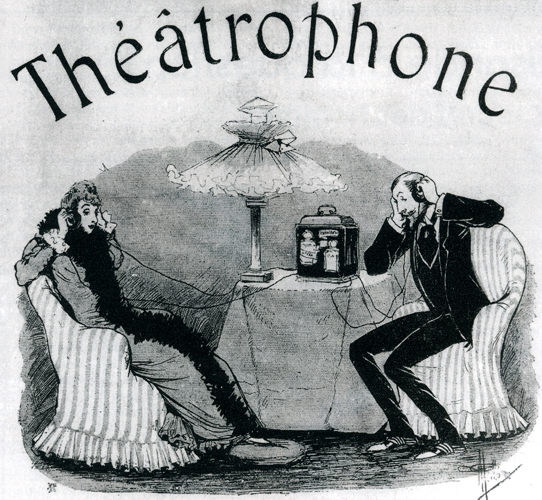
Marcel Proust was born in the wrong century. For a man who loved listening to music but who for periods of his life was reluctant to leave his bed, let alone his flat in Paris, getting himself to concerts was a chore. He tried two solutions to this problem. In 1911 he became a subscriber to Théâtrophone, a service that held a telephone receiver up at a concert and relayed it to people’s homes. Phones then, of course, had sound quality one step up from tin cans joined by a wire. It wasn’t that the reproduction was low-fi rather than hi-fi. It wasn’t even fi. What he really wanted was live music at home. And so it happened that one night in 1916 the French violinist and quartet leader, Gaston Poulet answered the doorbell at 11p.m. to find Marcel Proust on the doorstep. Proust had an unusual proposition. Would Poulet round up the rest of the quartet and come and play Cesar Franck’s String Quartet in D major that night at Proust’s flat? He had a taxi waiting. So that’s what they did. They played the piece in Proust’s candlelit bedroom while Marcel reclined on a green divan. It must have been good. When they finished at 2a.m. Proust asked them to play it again.

Proust was born about 100 years too early. Spotify would have been a godsend. But then again, if he’d lived in the era of video cameras and social media he might not have seen the point of recreating the past in written form. We don’t see the need to go In search of lost time. We carry it around with us.

Skiffle

In the summer of 1954 the popular music world was continuing in its usual easy listening way. Doris Day and Perry Como were riding high in the charts on both sides of the Atlantic. But, within a two-week period in July two events happened, one in Memphis, the other in London, that lit a fuse which a year later would blow that cosy music world sky high.
On the 5th July a certain unknown singer called Elvis Presley was larking about in Sam Phillips’ Sun recording studio in Memphis, jokily singing a Blues song, when Phillips recognised something he’d been looking for for years, a white guy who could sing black music without losing its sexual energy. Elvis was on his way. Within a matter of weeks, on the 13th July, the Chris Barber Jazz Band was recording an album in London when they realised they were short of material. Their banjo player, Lonnie Donegan, suggested they did some of the skiffle material they sometimes played. One of these songs was Rock Island Line. In 1955 it became the first British debut single to attain gold status and, as a result, skiffle spread throughout the UK. Skiffle was roots music played on cheap basic, sometimes home-made, instruments.
The two events were unconnected but had a combined effect. Young people in the UK saw Elvis as a far-off, unattainable dream. Skiffle gave them a means of at least striving for it. John Lennon in 1950s Liverpool, at the moment he heard Heartbreak Hotel, wanted to be Elvis. Now, with skiffle, he could do something about it. What he did was form the Quarrymen and use his skiffle band to play rock’nroll. And he wasnt the only one. Hundreds, probably thousands, of British teenagers did the same. At exactly the same time as Lennon formed his group I watched my two uncles, only five years older than me, rehearsing in Leeds with cheap acoustic guitars, tea-chest bass and washboard. They progressed to drums and electric guitars, as did Lennon and McCartney, in order to play Chuck Berry and Shadows music. They didn’t make the big time but they enjoyed the ride.
There was an ironic outcome to all this. Skiffle was always small fry compared to Elvis. It was rough, cheap and amateurish. But out of it came the 1960s British music invasion of the US, led by the Beatles, which swept all before it, including Elvis.
I saw it happen, without at first realising what was happening. I went from skiffle to rock’nroll to the Beatles. And I never shed a tear for Doris Day or Perry Como.

Just give me some of that rock and roll music

F29FE726-C228-4807-B0AD-CF32F8B40129

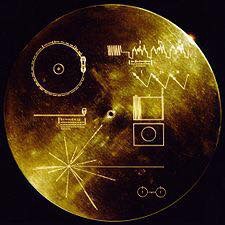
In 1977 the Voyager 1 space probe was launched by NASA. On board was the Golden Record which contained information designed to inform anyone out there who we were. Some of it was music – Bach, Beethoven and Chuck Berry’s “Johnny be good”.
A reply from space has finally been deciphered.
4 words.
“Send more Chuck Berry!”

In my life

44B2E5B8-0AD2-4C58-8ECF-615DF5781353

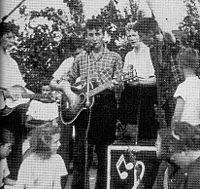
A rebel at school, a member of a Liverpool skiffle group who went on to become a multi- millionaire, touring America with his band. John Lennon? No, actually, I’m thinking of his best mate at school, Pete Shotton who died recently aged 76. He’s the blond one behind Lennon in the above photo of the Quarrymen, the skiffle band formed by Lennon in the late 1950s.

It’s arguable who had the most interesting life, Lennon or Shotton. Shotton left the Quarrymen when McCartney and Harrison joined but Lennon never forgot him. Several times, after hitting the big time, Lennon gave Shotton money. Shotton used it to open a supermarket then bought the franchise for a chain of American-style diners called Fatty Arbuckle. He eventually sold them for £20 million. When the Beatles needed someone to help run their Apple boutique in London they sent for Shotton. When it closed he became Lennon’s P.A. (until Yoko arrived). In the 90s, on the anniversary of the Cavern, the Quarrymen were reformed and Shotton appeared with them at Beatles conventions around the world.
Lennon and Shotton, two kids larking about in Liverpool. Two exciting but different lives, one a full life, the other cut short. Lennon was 40 when he was murdered in New York. You don’t have to be famous to live well. And fame doesn’t always mean an easy life.

Though I know I’ll never lose affection / For people and things that went before / I know I’ll always stop and think about them” (In my life – John Lennon)

Dickens live!

imageThe tour had been long and exhausting. Audiences were huge and everywhere ecstatic. The artist performed his usual greatest hits and was mobbed in the street outside the theatre. Profits were enormous and ticket touts had a field day. The performer found sleep impossible after the usual adrenaline rush and took to using sedatives. Who’s this, you might ask. Frank Sinatra in the 1950s? Mick Jagger in the 60s? Actually, no. This is Charles Dickens on his American Tour in 1857.
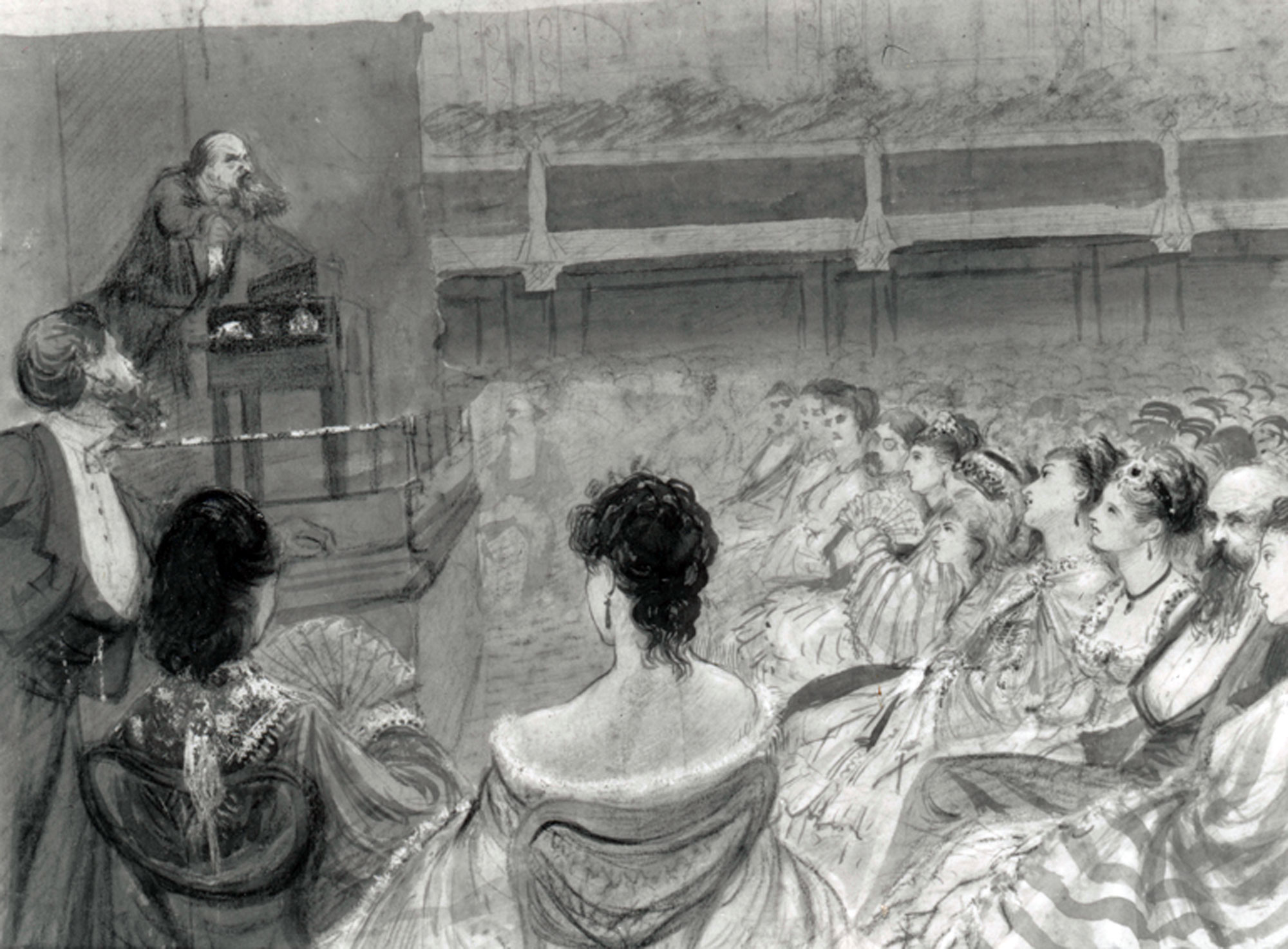
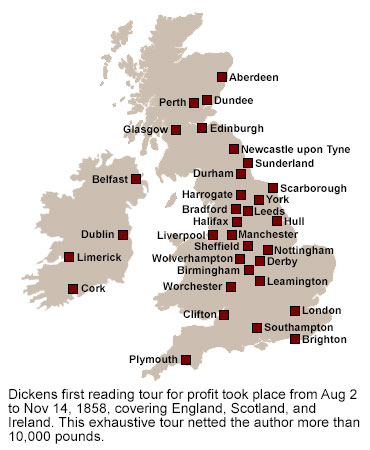
Dickens began his reading tours for the same reason rock stars do today. That’s where the money is. Nowadays top performers make more money from touring than making records. Dickens made nearly £20,000 from just one American tour. Estimates vary, depending on the basis of your calculation, but today this would be worth hundreds of thousands of pounds. He created a performance out of selections from his novels – the most popular scenes, such as Sykes’ murder of Nancy in Oliver Twist. If you think of his novels as albums, he did a medley of his most popular tracks. And, speaking again in musical terms, he re-arranged them, editing them to make them tighter and more powerful. Stagecraft was employed, as Dickens, like a singer, enacted the scenes with dramatic gestures. Mood changes were dynamic as he moved from quiet, poignant scenes to highly melodramatic ones. He filled 76 venues across America on that tour and repeated it several times in Britain.

image

(The caption should read “Dickens first reading tour for profit in Britain“)

No one else was in a position to do that, for the same reason large tours today only work financially for the most successful artists. Why? Because the performer needs a huge back catalogue of greatest hits. And Dickens certainly had that. And more importantly, he had always sold to the general public, including the less well-off. He sold his novels relatively cheaply, serialised weekly or monthly. His pop singles, if you like. He had a huge following, a fan base in today’s terms.
Dickens loved performing. He enjoyed the applause and adulation as much as any modern pop star. Some criticised him for demeaning his art. He didn’t quite become the type of prima donna we know today, famous for their backstage “riders”, precise dressing room requirements involving alcohol and entertainment. But Charles Dickens knew his worth and enjoyed life. On the American tour he established what he called his system. In his own words ” At 7 in the morning, in bed, a tumbler of new cream and two tablespoonful of rum. At 12, a sherry cobbler and a biscuit. At 3 (dinner time) a pint of champagne. At 5 minutes to 8, an egg beaten up with a glass of sherry.”
Way to go Charles!

Skaz and the Streetsuss Serenade

Vinyl records collectors     westsidestory

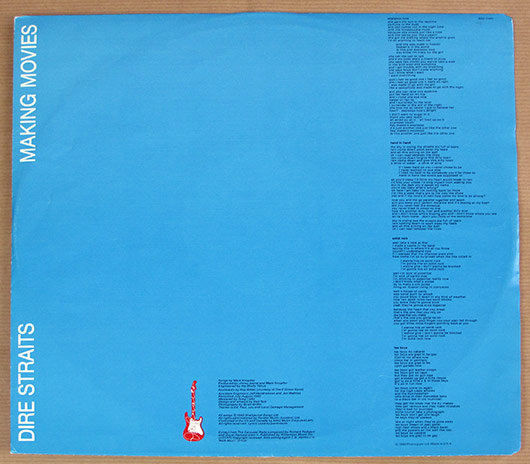
“A lovestruck Romeo sings a streetsuss serenade

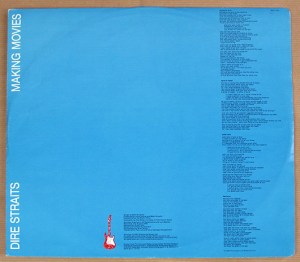
Laying everybody low with a love song that he made”   Mark Knopfler/Dire Straits Romeo and Juliet (Making Movies)

1963. I’m doing the Twist in the youth club. The music is coming from a record-player perched on a wooden chair placed on the stage of the school hall. The music stops mid-song and I look over towards the stage and see a lad brandishing an L.P. sleeve. He’s shouting “This is it!” He puts the first track on and I hear a count-in –

” 1, 2, 3, 4. Well she was just 17, You know what I mean”

The Beatles. First time we’d heard them. Pure energy. We stopped Twistin’ – and started jumpin’.

This was my Awopbopaloobop Alopbamboom moment, as Nik Cohn might put it. He wrote a book with that title – quoting Little Richard’s Tutti Frutti – arguing that meaningless lyrics are all pop music needs, that Awopbopaloobop is worth more than any of Bob Dylan’s lyrics.

I understand the point he is making but I think he’s missing something. Pop music has two modes – a public one and a private one.In a crowd, at a concert, lyrics don’t always matter. I started going to football matches in 1963. I went with a dozen or so friends from school. This was in the days when you stood on the terraces, and to get a good spot on the halfway line we used to arrive one and a half hours before kick-off. We spent the 90 minutes singing along with the music coming over the P.A. The louder the better. Words of no importance.

On my own, however, reading the lyrics was part of the enjoyment. That was what an L.P. sleeve was for. I read books in an armchair in front of the fire, comics in the street walking home from the newsagents, and music lyrics on the bus back from town where I had just bought the L.P. So you began to put singers/groups into one of two mental boxes. Beatles/Stones – box labelled “lyrics not important”. Dylan/Paul Simon – box labelled “lyrics worth reading”

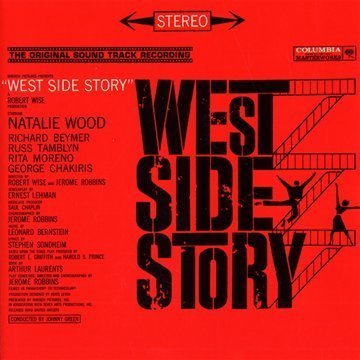
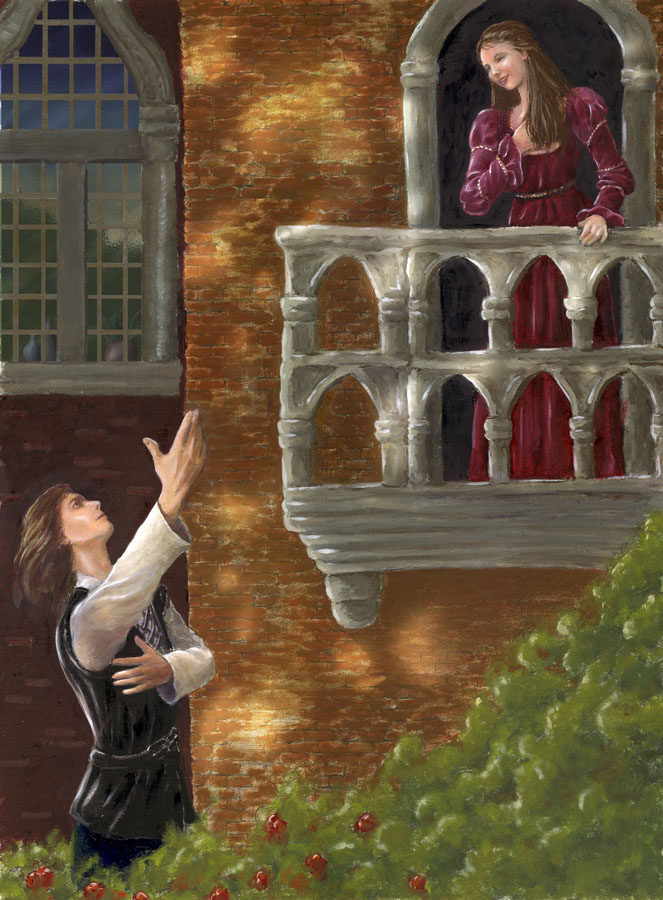
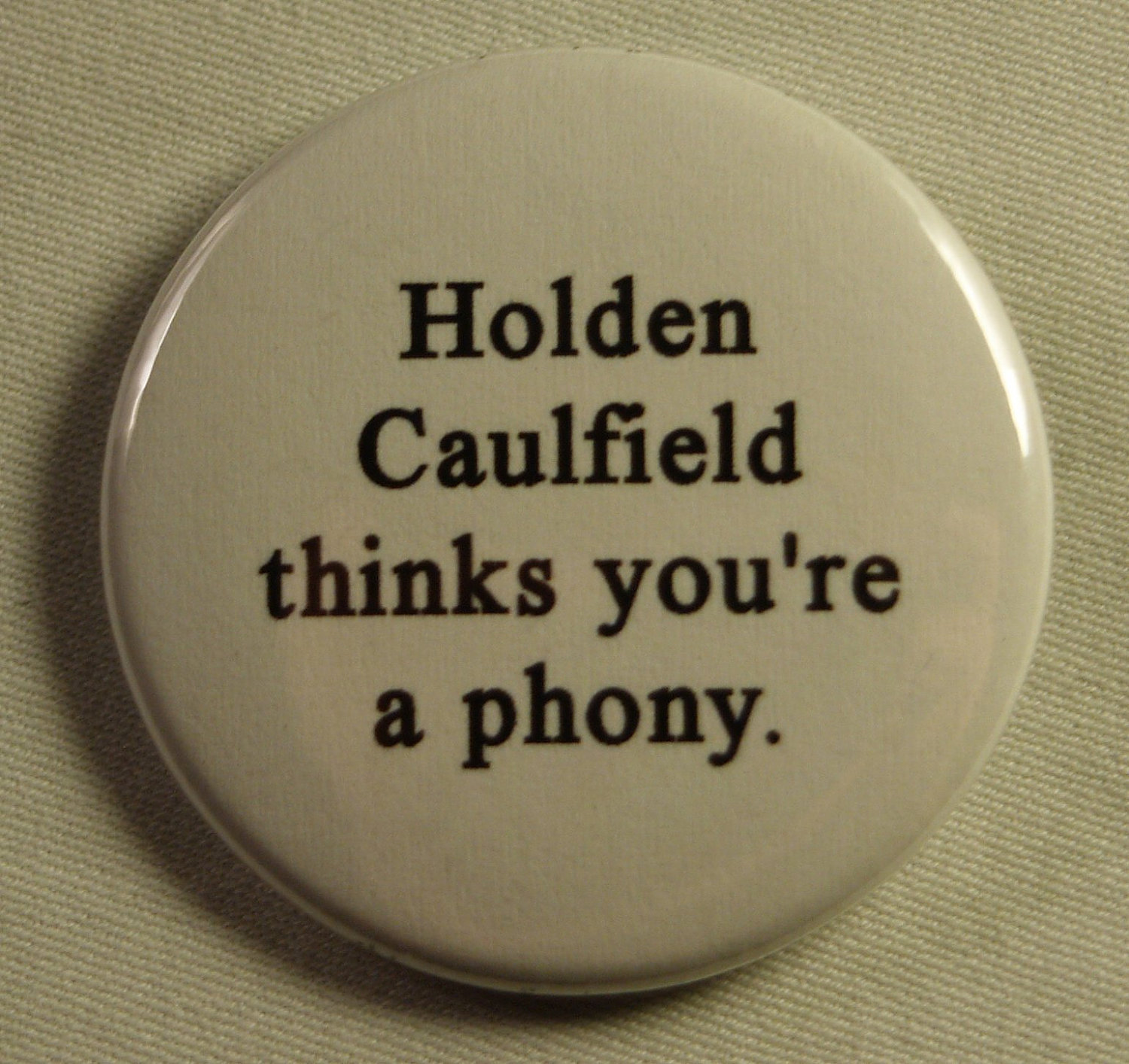
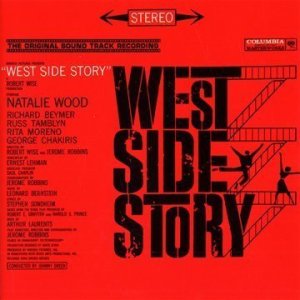
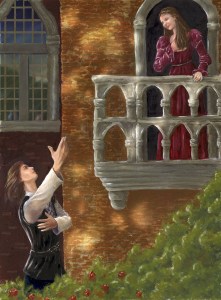
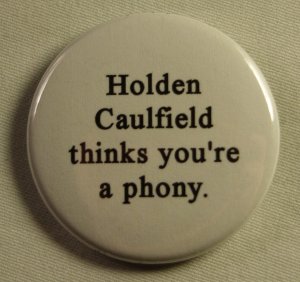
And this is where Mark Knopfler comes in. Category 2 – lyrics of interest. Take “Romeo and Juliet” from the L.P. “Making Movies”. Exhibit A in the case for the defence of the worth of pop lyrics. The scene it describes is both touching and funny. Romeo is a “lovestruck” teenager getting short shrift from his Juliet, a girlfriend with attitude. Both express themselves in hip, teenage slang. Romeo’s icebreaker eschews subtle fore-play – “You and me babe, how about it?” No swooning from Juliet – “You nearly gimme a heart attack ….  anyway, what you gonna do about it?” Romeo pulls out the big guns with a bit of youthful, clichéd exaggeration “You exploded into my heart”, takes in the blank stare and fights back with “how can you look at me as if I was just one of your deals?“. There is a name for this style of writing. It has literary pedigree. It is called Skaz and it has its roots in Russian literature. It is recognisable to us, however, because it has flourished most successfully in American novels. Think “Huckleberry Finn”. Or even better, think “Catcher in the Rye”. Holden Caulfield is our Romeo with a large chip on his shoulder. Salinger’s novel is written in Skaz. Moreover, it would be nothing without it. Holden’s way of speaking holds our attention throughout. The story certainly doesn’t – nothing really happens. It is a wonderful “tour de force”, wholly dependent on the successful use of teenage Skaz. Holden’s frustration, like Romeo’s, is expressed in colloquial language – “jerk”, “big deal”, and most famously “phoney”. Exaggerations such as “that killed me” abound. You feel for Holden and Romeo because of their sad but funny inarticulate speech. “I can’t do the talk like they do on the T.V.” says Romeo, but, like Holden, he comes across as genuine. In effect, their language is a kind of guarantee of their genuineness. We feel they are speaking from the heart. It’s rough, not crafted or polished for effect. As Holden would say, their language is not that of the “phoney” world of adults. Knopfler reinforces this effect through his pastiche of the original “Romeo and Juliet”. The teenage Romeo may not speak like Shakespeare but his love is genuine. And he might add that if he spoke poetry it would be false emotion. Knopfler’s lyrics are also witty, in that he makes allusions to that other hip version of Romeo and Juliet, West Side Story. Knopfler’s two protagonists, like the Jets and the Sharks, have “Come up on different streets”. Romeo refers to his street gang in “All I do is keep the beat and bad company”. And it is easy to miss the reference to a famous line in the song “Somewhere” in “There’s a place for us you know the movie song”. Best of all,  Knopfler manages to bring the two elements of his song – Skaz language and Shakespearean pastiche – together in one funny pun. Juliet remarks casually “oh Romeo, yeah you know I used to have a scene with him”.

I rest my case. I like “Ballroom Blitz” as much as anyone when I’ve lost it in a crowd. But, on the top deck of a bus, with half an hour to kill, give me the L.P. sleeve of “Making Movies”.
2romeo__juliet_balconycatcher-holden-phony