The Drill Bit Castle

I live in a South Northumberland mining town that once had at least four pits. My flat is part of what was originally a Mechanics Institute, a cultural haven for miners. For many years I worked in the town’s High School, which was built on land reclaimed from one of the local pits. The school faced a park formed round a landscaped pit heap. Opposite my flat is a cemetery containing the grave of two miners who, along with 202 others, died in the New Hartley Pit Disaster, 160 years ago, three miles from here.
This week I walked around a nearby nature reserve created on the site of Weetslade colliery. The park has a monument to the mining community, an art installation caled “The Drill Bits”. It reminded me of the ruins of Dunstanburgh Castle, 30 miles up the coast, which I visited a few days ago. I saw them from a distance, both perched on a hill. The teeth of the drills look like the crenellations of a fort, and the drill bits stand like the turrets of a ruined castle.
Normally, when you think of historic Northumberland, you call to mind its many splendid castles. Weetslade, however, reminds you of another important heritage, a working class one, a heritage happily still being honoured and preserved.
The most beautiful walk in the world

IMG_0905

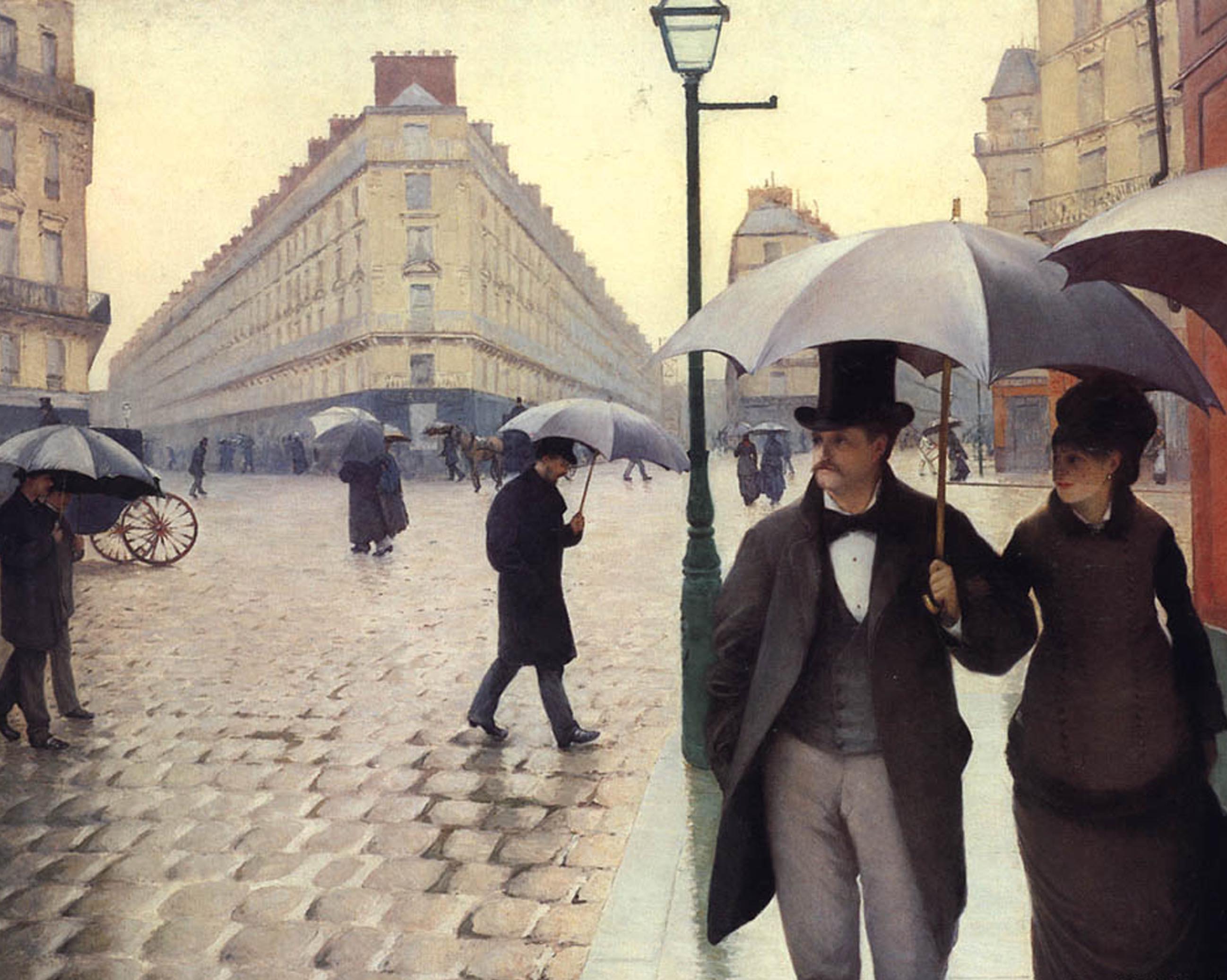
There is a book, written by John Baxter, called The most beautiful walk in the world. He’s not talking about an Alpine trail or a hike in the Scottish Highlands. He reckons it’s in Paris. And I would tend to agree. I much prefer walking round a town to hiking in the countryside. I don’t think it’s laziness; I did some strenuous fell walking as a young man. I just find more of interest to look at and photograph in the city. I’m impressed by spectacular views in nature but the wonder wears off. So I smiled when I found these quotes:-

“I like a good view, but I prefer to sit with my back to it” (Alice B. Toklas)

“Je suis incapable de m’attendrir sur les végétaux.” (I am incapable of being moved by vegetation) (Charles Baudelaire)

I suppose those words are not surprising coming from the flâneur Baudelaire. You just couldn’t see him with anorak, map and compass. Cognac and cigar, yes. Hiking boots, not really.

Travelling Light

5CD3D0A3-1E0A-4A7F-903E-20ED046C0DAD

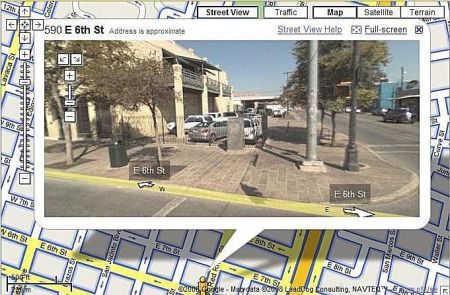
I have always thought that there was something wrong with me. Is it right that a person should get more pleasure from planning a holiday than going on it? Why have I got a clip- board containing the detailed plans of at least ten trips abroad that were never embarked on – mileage lists, fuel costings, hotel and campsite bookings (thank goodness for the “free cancellation” option), web searches on restaurants, places of interest. Google street is a godsend for someone like me. I have done so many virtual tours of St Remy in Provence that I feel there is little point in going there since I know it so well. Is it a sickness? And if so, is there a cure? But the more I read the more support I find for this admittedly minority point of view.
Here then, in my defence, are three quotations which give me comfort:-

Logan Pearsall Smith “People say that life is the thing, but I prefer reading”

Gustave Flaubert “Do not participate: happiness lies in the imagination not the act. Pleasure is found first in anticipation, later in memory”

Honoré de Balzac “How can one prefer the disasters of your frustrated desires to the sublime faculty of summoning the universe to appear before the mind’s eye”

They say travel broadens the mind. I agree, particularly if you only ever travel in your mind. Travelling light? You can’t travel any lighter than I do.

A moveable table

Paris is, amongst many other things, a literary city. It features in the work of many great writers. Between the two World Wars, because of its relative cheapness and prohibition in the US, many Americans came to stay, write, eat and drink. One such, of course, was Ernest Hemingway, bon viveur if ever there was one. He told of his life in Paris in “A moveable feast”. A lot of the Paris he portrays no longer exists. He describes, for example, watching a neighbour going downstairs to collect the morning milk. This was provided, not far from the Boulevard Saint-Michel, by a passing herd of goats led by a goatherd. There are however places which Hemingway frequented which remain the same. In this category is Brasserie Lipp, the traditional 19th century café/restaurant near the Boulevard Saint-Germain. I once had lunch there with my wife on the proceeds of a windfall which we decided to blow on a no-holds-barred trip to Paris. Because of its reputation we entered Lipp with trepidation. The decor is typical brasserie, all brass and mirrors. The waiters wear traditional white aprons and were, to be honest, somewhat intimidating. It was heaving. I began to relax, feeling we were not going to get a table. Then it happened. The realisation that this was a welcoming, friendly place. Someone signaled “two?”, a waiter appeared carrying above his head a small table which he proceeded to insert in a gap which he created by easing diners and their tables to one side. We were now sat in a long row of joined-up tables, like the top table at a wedding reception. Again I had been made aware that there is no deep snobbery to eating out in France. There may be a money barrier but if you get over that once in a while you will be treated the same as any other customer. The same as Ernest Hemingway in fact.