
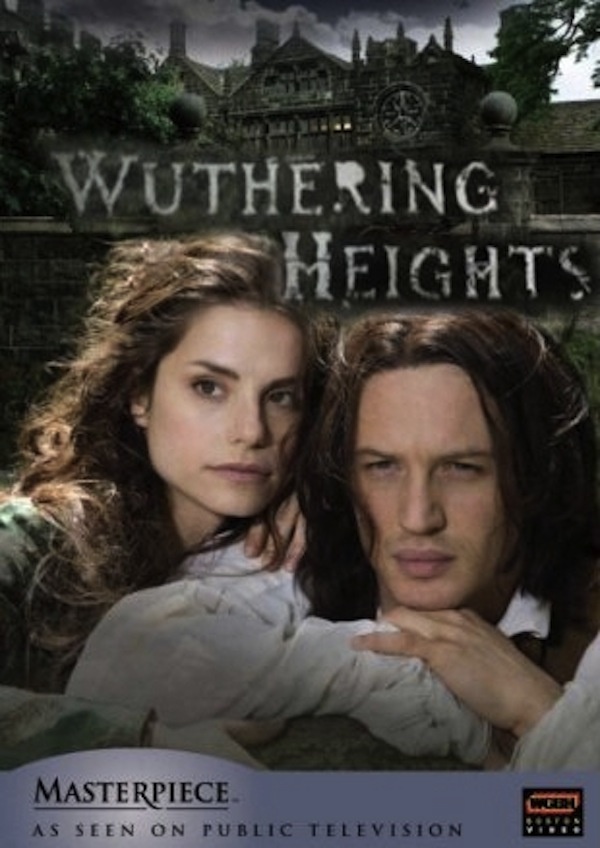
In the last few months I have read two books which at first sight would seem to have little in common. They are Sebastian Faulks’ “Faulks on Fiction” and Graham Robb’s “Parisians”. Faulks’ book is literary criticism. It analyses some of the most famous characters in British novels – Robinson Crusoe, Tom Jones, Heathcliffe etc. Robb’s work, however, is concerned with real people. His accounts of incidents in the lives of certain Parisians, researched from historical documents of the last 150 years, form an unusual view of the history of Paris.
The effect of reading them, however, is strangely similar. In a sense they are dealing with two sides of the same coin. Faulks wants us to see that in the best novels fictional characters have a life of their own. These characters are drawn so vividly that they are like real people. And they are like a historical document in that they give a picture of what it is to be British. Robb takes his historical documents and brings them to life by giving them a novelist’s treatment. His imagination fills out the historical facts with psychological and emotional detail. In both books therefore we are reading about characters who are a mix of the real and the fictional. Faulks takes fictional characters and shows how real life informs them and gives them meaning. Robb takes people from reality and gives their lives meaning through the techniques normally associated with fiction. Both approaches are valid . In effect they remind us of the way we live our lives. Real life is not distinct from the imagined life. Reality is informed by our feelings, thoughts and senses. That is why my world is different from your world. Reality is just as much fiction as fact.

 my chautauqua