


“Two souls live within me, each trying to pull away from the other” (Wolfgang Von Goethe)
When Charles Dickens met Fyodor Dostoevsky in 1862 two worlds collided. Two views of human nature. A traditional one and a modern, psychological one.
Whatever the undoubted merits of Dickens novels they are, for modern tastes, simplistic. Their characters have little, or no, psychological depth. They are either paragons of virtue, innocent victims such as Little Nell and Tiny Tim, or evil monsters such as Uriah Heep and Bill Sykes. This is perhaps surprising, since Dickens was well aware of the complicated nature of the human personality. He recognised it in himself. On the one hand he backed up his reputation as a morally upright person with many examples of selfless good works. But he knew he also had a dark side, a side to his character which he skilfully kept from his adoring public. He admitted as much to Dostoevsky. Dostoevsky later said that Dickens “told me that all the good simple people in his novels….. are what he wanted to have been, and his villains were what he was (or rather what he found within himself)”.
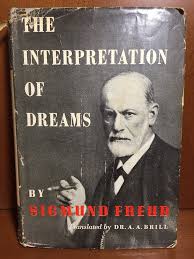
Dickens’ view of inner conflict was traditional in that he explained it in religious terms as a battle between Good and Evil. In characters such as Raskolnikov in Crime and Punishment Dostoevsky eschewed such simplistic notions and explored how conflict, anxiety and guilt worked. The claim that his novels prefigure the work of Sigmund Freud is not unjustified.
Dickens wouldn’t have known that of course, but Dostoevsky did give him a clue. When Dickens declared there were two people inside him, Dostoevsky replied “Only two?”
 my chautauqua