
“He fell to the ground. He was dead. Thirty-six hours later, at the apothecary’s request, Monsieur Canivet arrived. He opened him up and found nothing.”
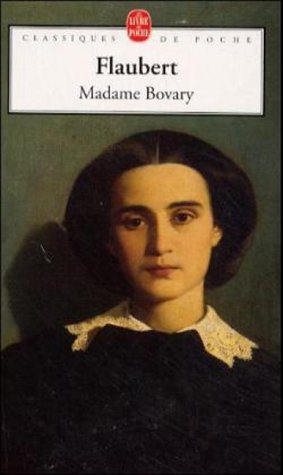
Why is Gustave Flaubert considered to be a great novelist? After all he only produced a handful of novels, and only one – Madame Bovary – is commonly thought to be amongst the best. Charles Dickens wrote 15 novels many of which are still popular today. And look at the quotation at the top of the page. It comes from the final page of Madame Bovary and reports the death of Emma’s husband Charles. These lines were written by an author who took such pains over his writing that even when working flat-out he produced a mere 500 words a week. And that’s what he came up with to conclude his book? Six or seven brief, bare phrases? Imagine how many words Balzac would have taken to cover the same event. Or should I say pages. Imagine the soaring, ringing language Hugo would have deployed. Just what was Flaubert doing hour after hour in his writer’s study to produce such meagre text?
What he was doing was creating a ground-breaking, original style of writing, a style which influenced all novelists after him and which still persists today. He agonised over it. He only mastered it around three months into the writing of Madame Bovary. It required the removal of many things which had previously been considered part of, or even essential to, the writer’s tools of the trade. Flaubert tells us he was aiming for ” No lyricism, no digressions, personality of author absent”
The secret to this new style was irony. We understand what is not said. Removing overt references to the author’s opinion forces us to read between the lines. After the glories of the Revolution and the grand flourishes of Romantic writing a new sensibility was winning the day, a more cynical one, one that was more receptive to ironic comment. Readers would smile and nod at the idea that the doctor found nothing inside Charles Bovary. They would be laughing at the limitations of provincial medicine and at the empty hollowness of the bourgeois world exemplified by Charles.
Flaubert invented the cool, detached, impersonal, ironic style of writing which became standard modern prose and which is still an option for writers today. He didn’t leave a huge body of work but his legacy changed the way we see the world. Not many words, then, but every word counted.

 my chautauqua